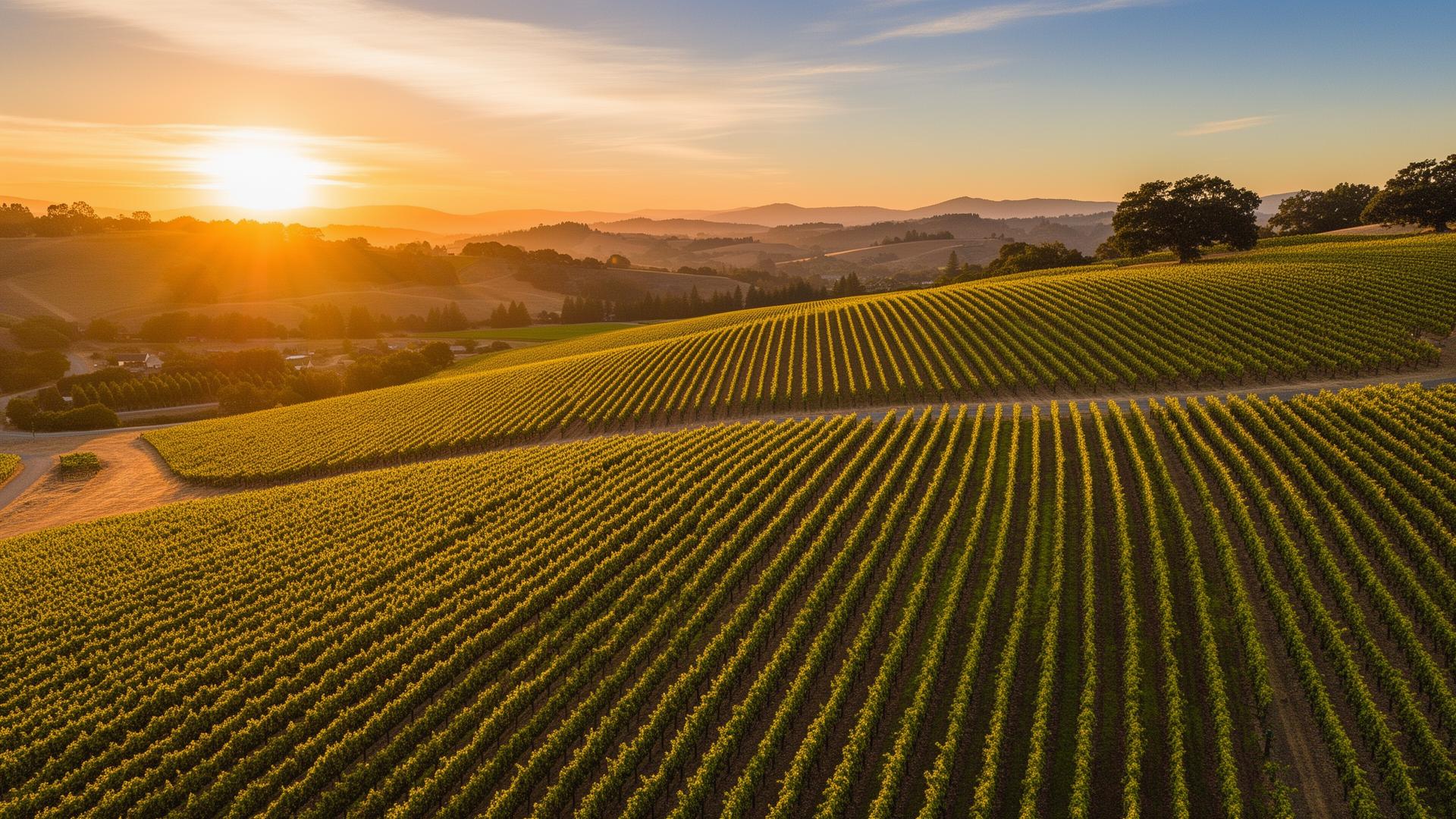
Experience Napa Valley
Wine tours, gourmet dining, hot air balloon rides, and unforgettable adventures in California's premier wine country.
Featured Experience
Napa & Sonoma Full-Day Wine Tour from San Francisco
Planning a group trip? See our Napa Valley bachelorette party guide, romantic getaway picks, or day trip from San Francisco.
Your Napa Valley Awaits
Unforgettable Experiences
Plan Your Visit
Essential Napa Valley Guide
Everything you need to know before your first — or next — trip to California's most celebrated wine region.
Best Time to Visit
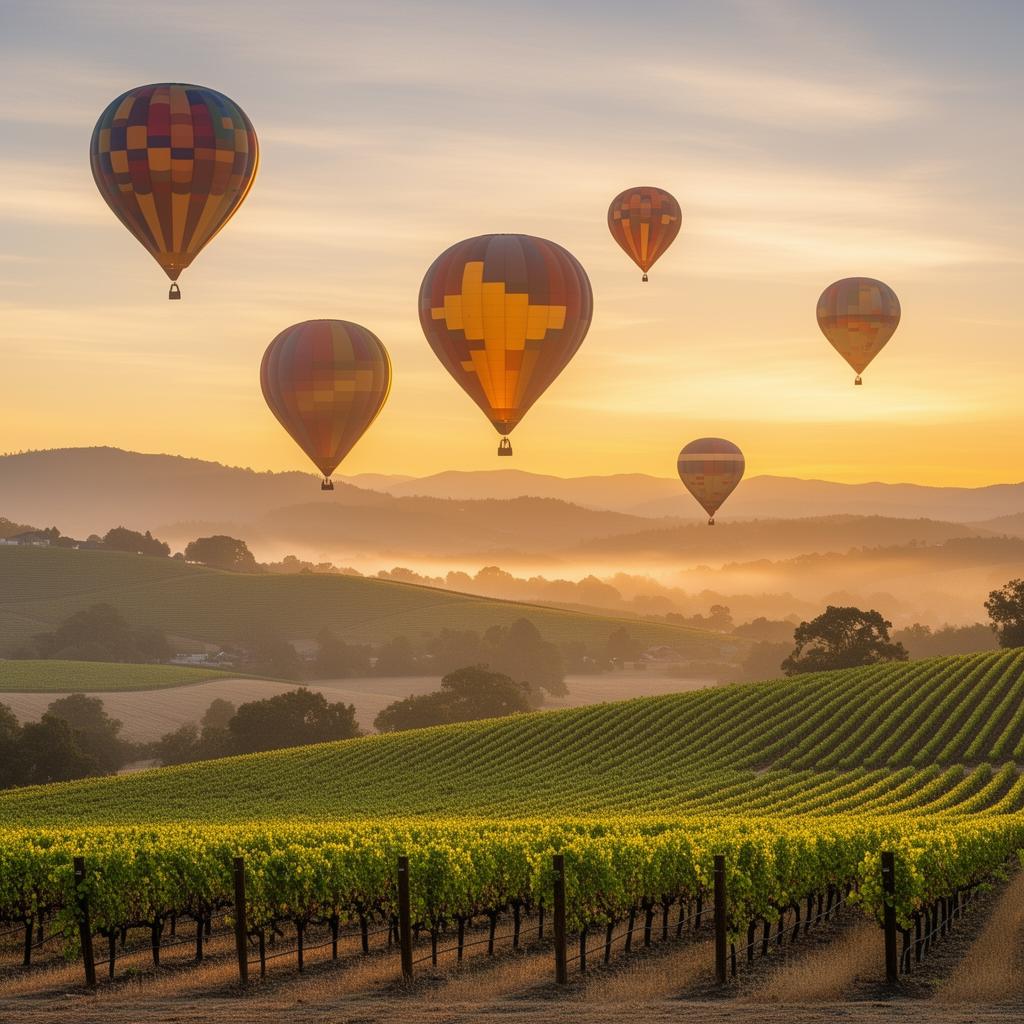
Harvest season (September–November) is Napa Valley at its peak — golden vineyards, crush events, and electric energy throughout the valley. Spring brings wildflowers and mild temperatures perfect for cycling and outdoor tastings. Summer is warm and lively but expect larger crowds and higher prices. Winter is the hidden gem season: lower rates, intimate winery visits, and the chance to meet winemakers one-on-one without the rush.
Getting There & Around
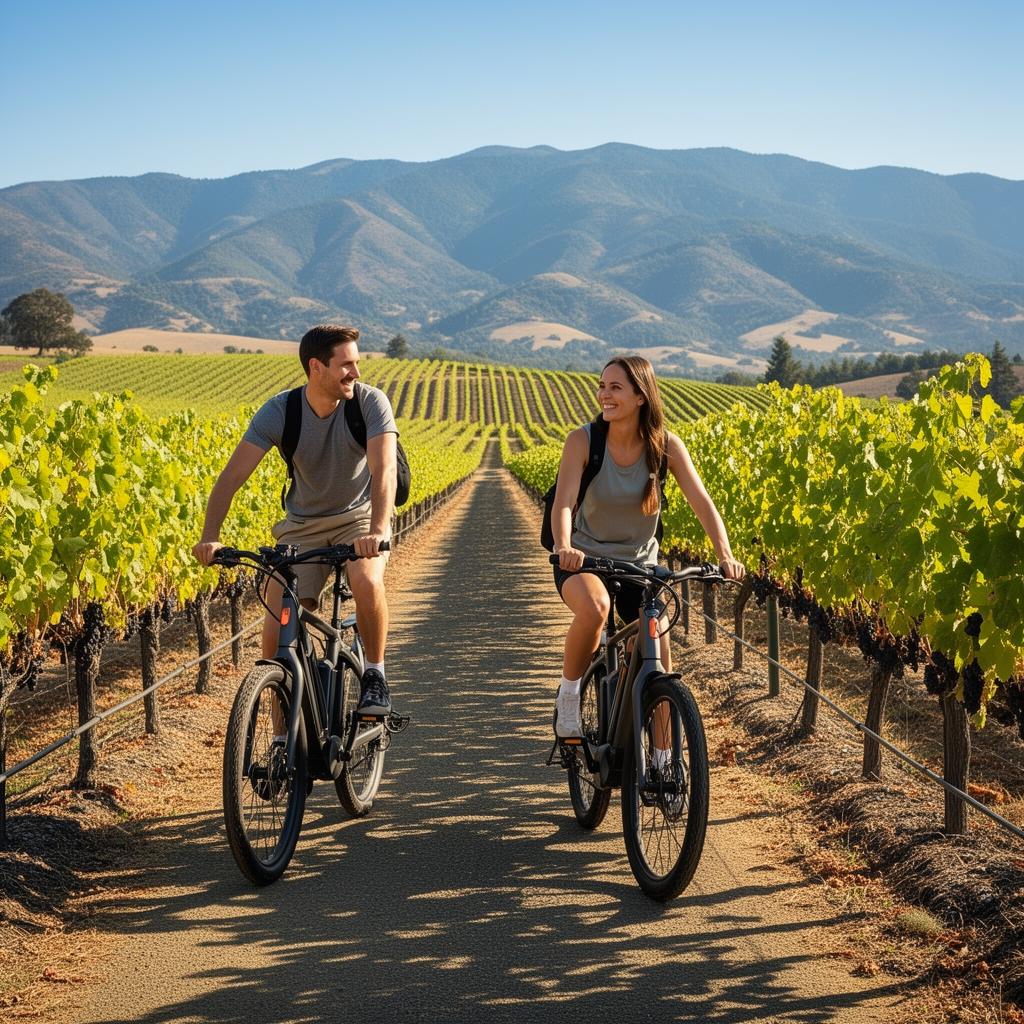
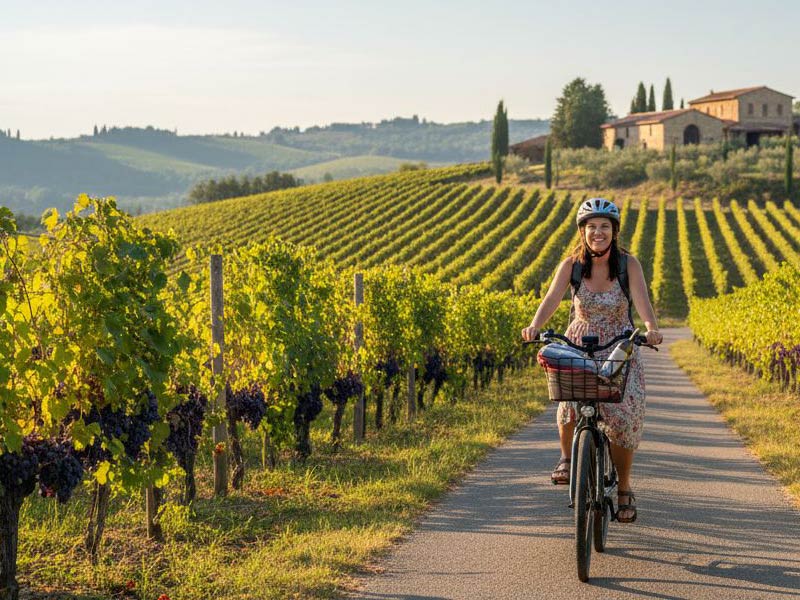
Napa Valley is about 60 miles from San Francisco — roughly 90 minutes by car via I-80 and Highway 29. The valley stretches 30 miles from Napa in the south to Calistoga in the north, with charming towns like Yountville, Oakville, Rutherford, and St. Helena in between. Hiring a driver or joining a guided tour is the smartest way to taste without worry. E-bike rentals are increasingly popular for exploring the scenic Silverado Trail at your own pace.
What to Expect at Wineries
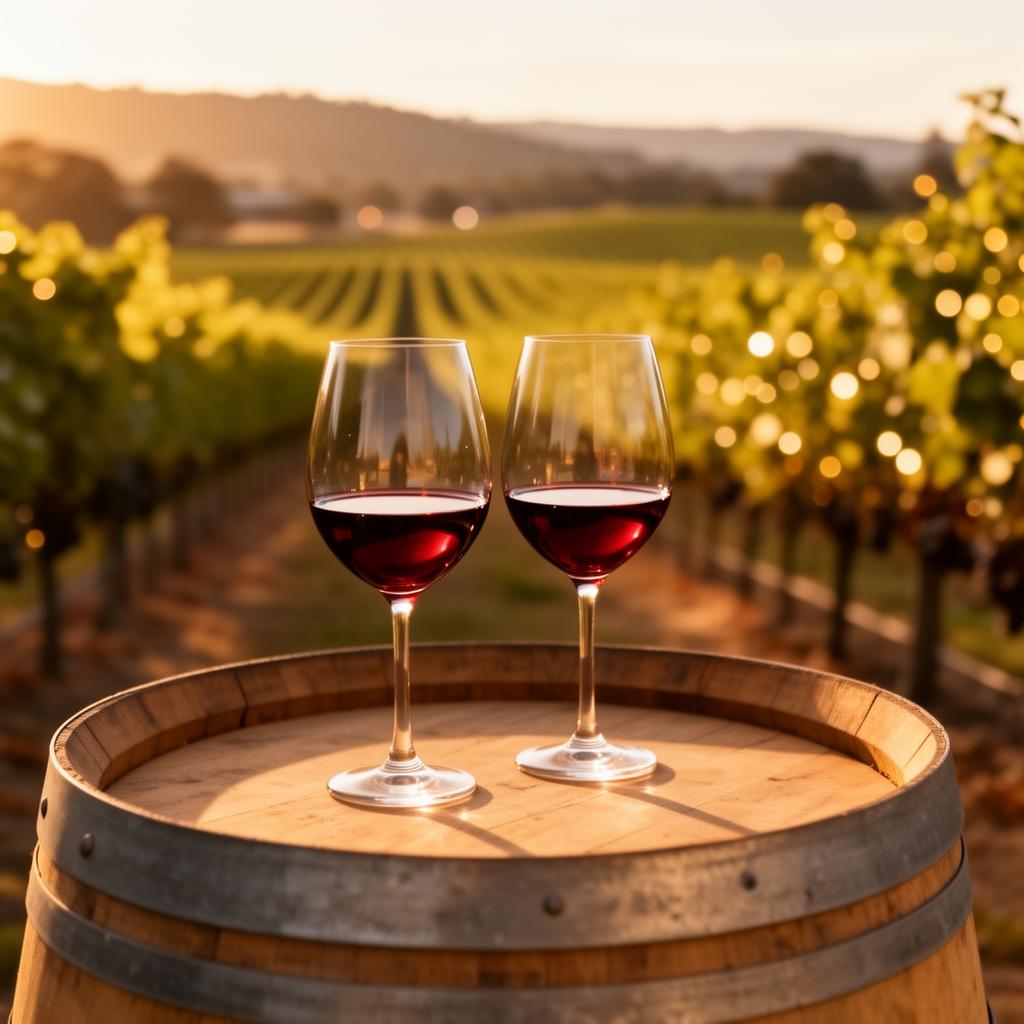
Nearly all Napa wineries require advance reservations — walk-ins are rare outside downtown tasting rooms. A standard tasting runs $40–$75 and typically includes 4–6 pours with a guided explanation of each wine. Many estates offer elevated experiences like cave tours, vineyard walks, food pairings, and barrel tastings for a higher fee. Plan to visit 2–3 wineries per day maximum to avoid palate fatigue and truly savor each experience.
Where to Base Yourself
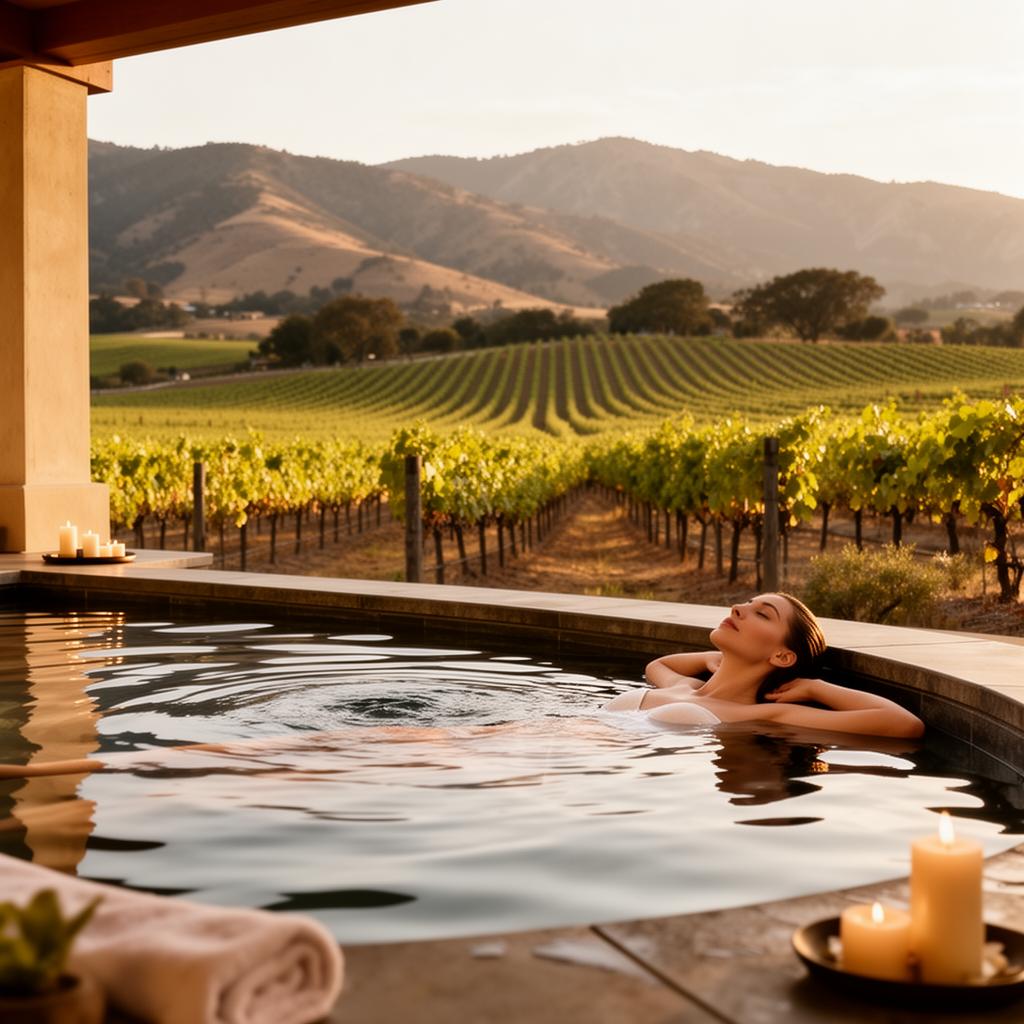
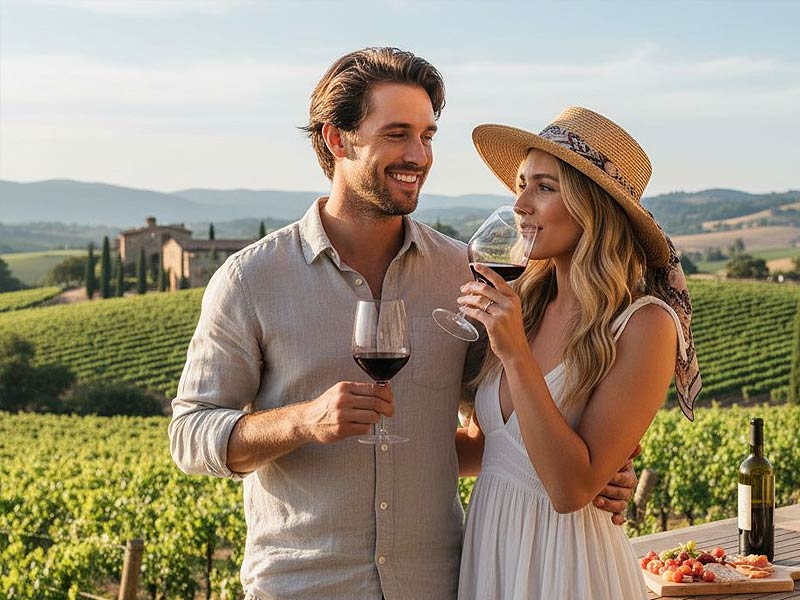
Downtown Napa is the most affordable and walkable base, with easy access to the Oxbow Public Market, tasting rooms, and restaurants. Yountville is the culinary capital — home to The French Laundry and Bottega — ideal for foodies who want everything within strolling distance. St. Helena offers a classic Main Street charm with boutique shops and galleries. Calistoga, at the valley's northern end, is known for its hot springs, mud baths, and a laid-back, spa-town atmosphere.
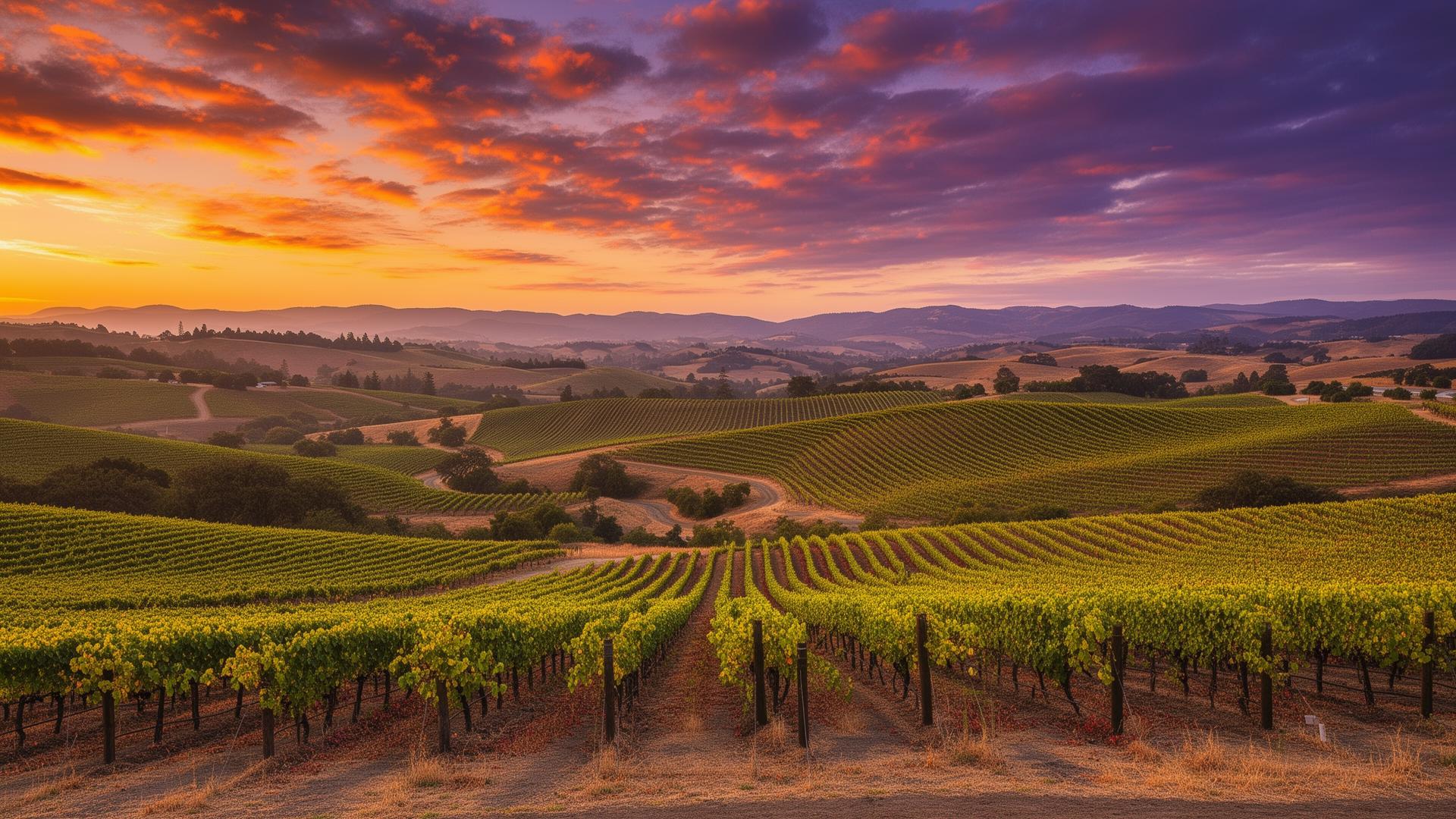
400+ Wineries. 30 Miles. Endless Possibilities.
From world-famous Cabernets to hidden boutique cellars, discover California's most celebrated wine region.
Why Visit
What Makes Napa Valley Special
Napa Valley isn't just a wine region — it's a 30-mile stretch of volcanic soils, maritime fog, and mountain-framed vineyards that together create one of the most distinctive winemaking environments on Earth. The valley floor is home to 16 recognized American Viticultural Areas (AVAs), each with its own microclimate, soil composition, and signature grape varieties. Rutherford's benchland gravels produce Cabernet Sauvignons prized for their earthy "Rutherford dust," while the cooler Carneros district excels with Pinot Noir and Chardonnay.
What sets Napa apart from other wine regions is the density of world-class experiences in such a compact area. Within a single afternoon, you can taste a $300-a-bottle cult Cabernet at a hillside estate, have lunch at a Michelin-starred restaurant, and soak in natural hot springs — all without driving more than 20 minutes. This concentration of wine, food, and luxury is unmatched anywhere in the Americas.
The valley's winemaking legacy stretches back to the 1830s, but its modern reputation was forged at the 1976 Judgment of Paris, when Napa wines bested the finest French Bordeaux and Burgundy in a blind tasting that shocked the wine world. Today, the region produces just 4% of California's total wine output but accounts for nearly a third of its value — a testament to the relentless pursuit of quality that defines Napa Valley's 400+ wineries.
Explore the Valley
Napa Valley Town by Town
From the bustling riverfront of downtown Napa to the hot springs of Calistoga, each town offers a distinct character.
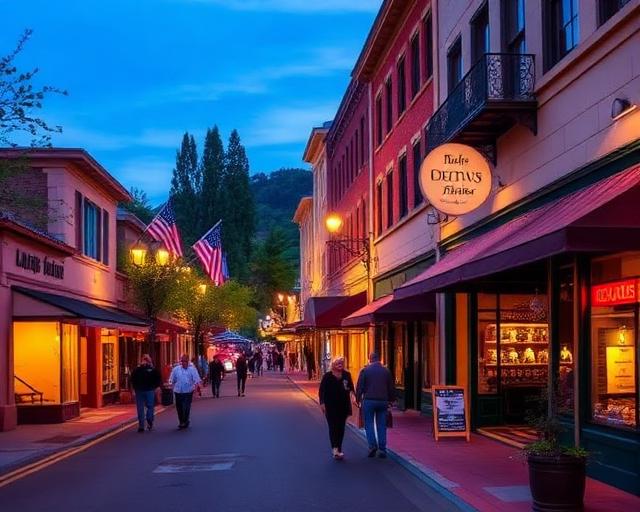
Downtown Napa
The valley's southern gateway and most affordable base. Home to the Oxbow Public Market — a foodie haven with artisan vendors, craft cocktails, and fresh oysters — plus a growing number of walkable tasting rooms along First Street.
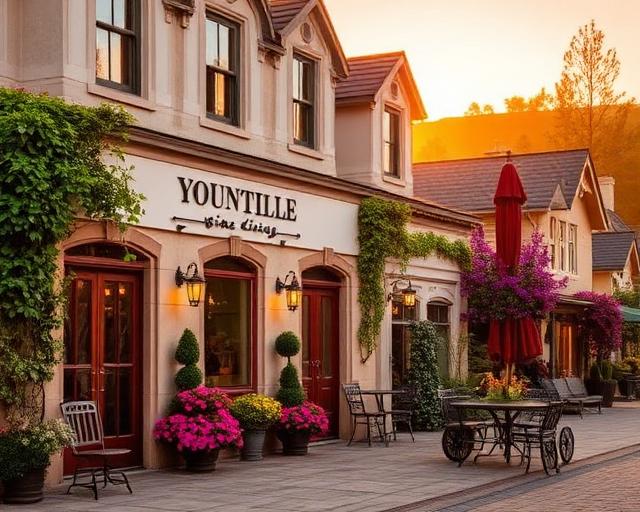
Yountville
Napa's culinary epicenter, where three Michelin-starred restaurants sit within a few blocks. Thomas Keller's The French Laundry is the crown jewel, but Bottega and Bistro Jeanty are equally beloved.
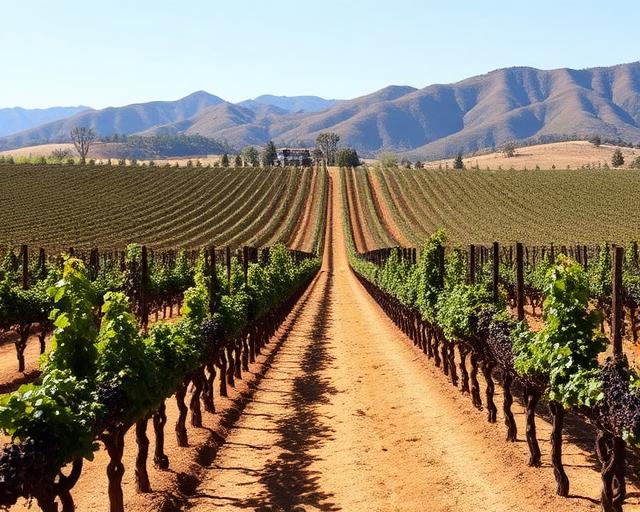
Rutherford & Oakville
The heart of Cabernet Sauvignon country. These neighboring appellations produce some of the most sought-after wines in the world, with legendary estates like Opus One and Robert Mondavi.
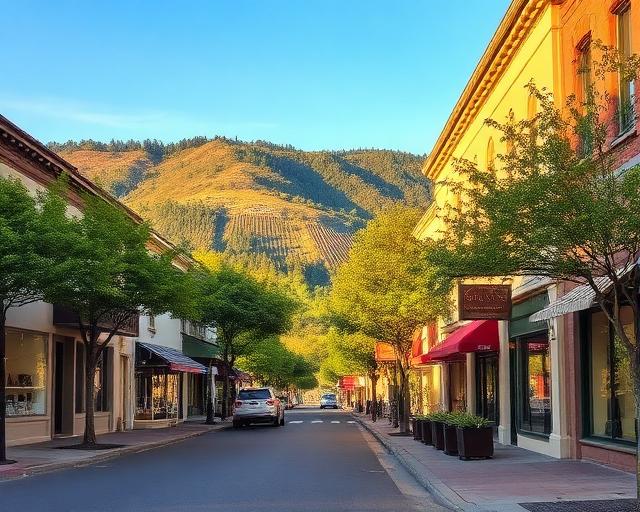
St. Helena
A charming Main Street town with independent boutiques, galleries, and tasting rooms. Home to Beringer — Napa's oldest continuously operating winery, founded in 1876.
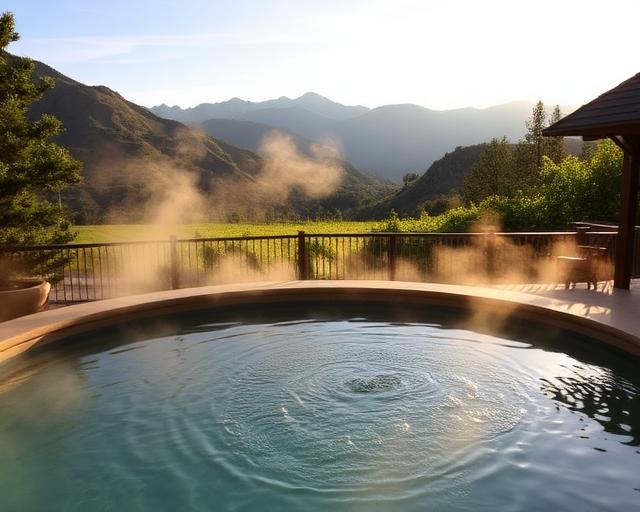
Calistoga
The valley's northernmost town, famous for its natural hot springs and volcanic mud baths. A relaxed alternative with excellent wineries like Château Montelena just minutes away.
Read More
Popular Napa Valley Guides
Best Wineries in Napa Valley
From iconic estates like Opus One and Robert Mondavi to hidden boutique cellars, our guide ranks the wineries worth your time.
Read GuideNapa Valley Day Trip from SF
Only have one day? We map out the perfect SF-to-Napa itinerary with morning tastings and a gourmet lunch in Yountville.
Read Guide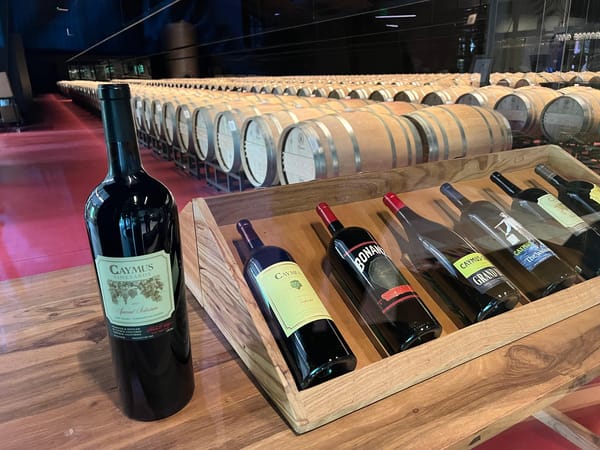
Napa Valley Bachelorette Party Guide
Group-friendly wineries, limo and party-bus tours, where to stay, and a 3-day itinerary built for the crew of 6–12.
Read GuideNapa vs Sonoma
Two world-class wine regions, very different vibes. We break down the key differences to help you decide.
Read GuideNapa Valley on a Budget
Wine country without the sticker shock. Discover free tastings, affordable dining, and insider tricks.
Read Guide3-Day Napa Itinerary
A day-by-day plan from Oxbow Market to the thermal springs of Calistoga, with winery stops along the way.
Read Guide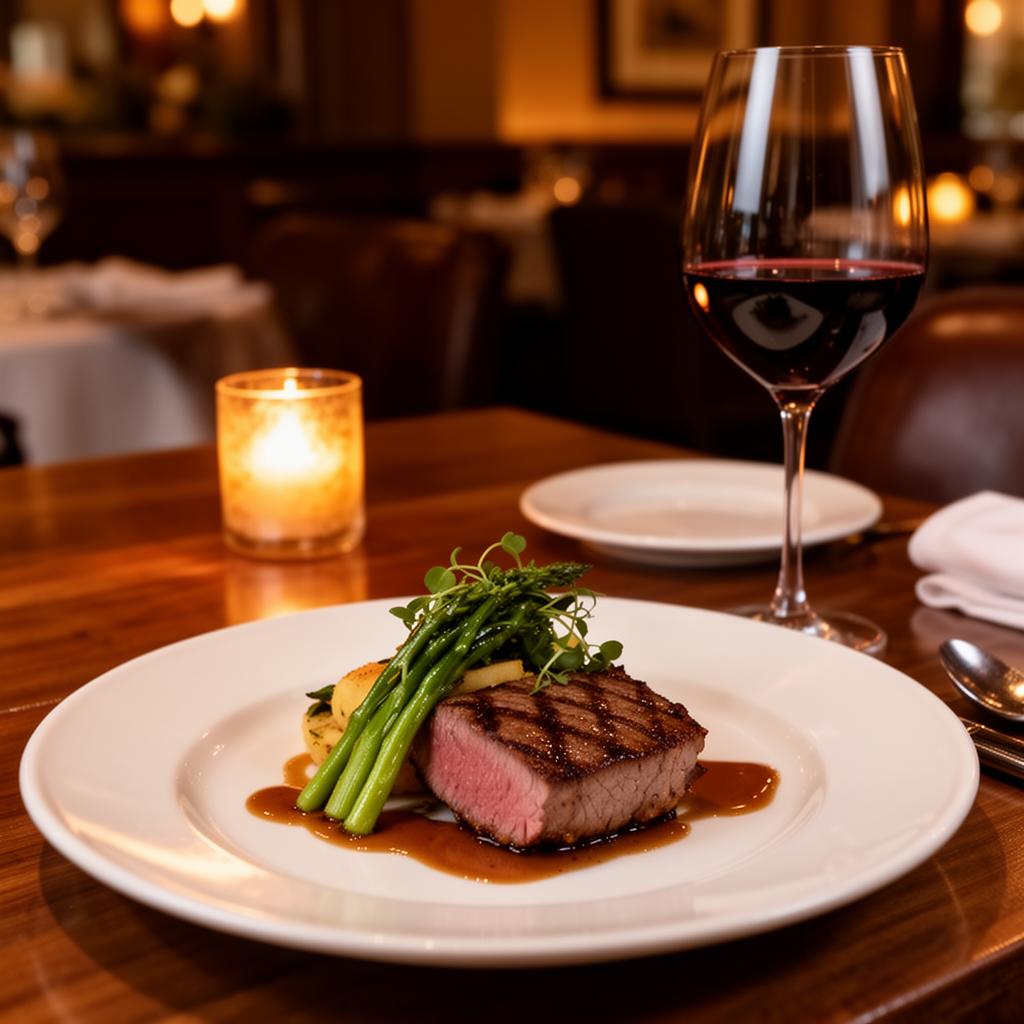
Top Napa Restaurants
Michelin-starred fine dining, farm-to-table bistros, and casual lunch spots in every Napa Valley town.
Read Guide


Common Questions
Frequently Asked Questions
Who We Are
About Napa.now
Napa.now is an independently curated travel guide built for visitors who want real, useful recommendations — not sponsored listicles. We research and write about the best wine tours, restaurants, lodging, and adventures in Napa Valley so you can spend less time searching and more time savoring.
Some links on this site are affiliate links, meaning we may earn a small commission when you book through our partners — at no extra cost to you. This keeps the site free and allows us to keep creating in-depth guides. We never recommend anything we wouldn't book ourselves.