Travel Planning
Getting To & Around Napa Valley
Airport distances, the two driving routes from San Francisco, and the real car-free ways in — ferry, Amtrak and rideshare — with honest drive times.
Napa Valley has no airport of its own with commercial flights and no passenger rail line up the valley, so every trip starts with the same question: which airport, which road, and do you actually need a car once you are here? This page lays out the distances and drive times we use across the rest of the site, the two realistic routes from San Francisco, and the three genuine non-driving ways to arrive. Where a fare or a departure time changes often, we point you at the operator's own timetable instead of guessing.
The Valley's Geography at a Glance
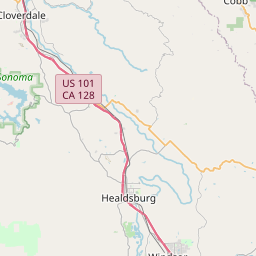
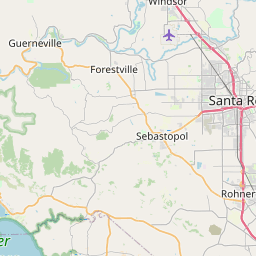
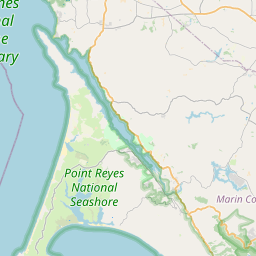
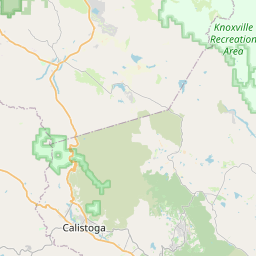
Napa Valley runs in a single south-to-north line, which is why every route question on this page collapses into one simple picture. Bay Area arrivals land at the bottom of the map — the Vallejo ferry terminal if you come by boat, or Highway 29 / Interstate 80 if you drive — and the valley towns stack north from there: the city of Napa first, then Yountville, St. Helena, and Calistoga at the north end. The whole run from downtown Napa to Calistoga is about 28 miles, so once you arrive, nothing in the valley is far from anything else.
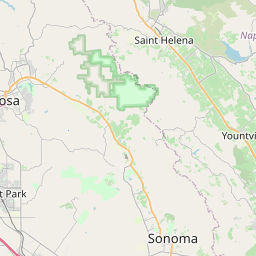
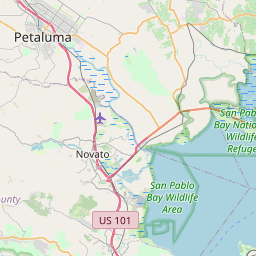
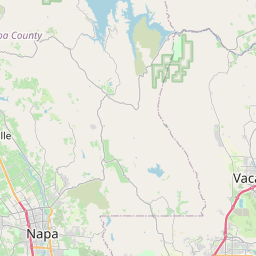
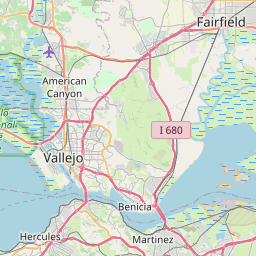
- Vallejo (SF Bay Ferry terminal) — Ferry from San Francisco + Vine Route 11 connection
- City of Napa — Soscol Gateway Transit Center, Oxbow Market, Wine Train
- Yountville — ~15 miles north of downtown Napa
- St. Helena — Mid-valley, Highway 29 & Silverado Trail
- Calistoga — North end of the valley
Airports Near Napa Valley
Distances are measured to downtown Napa. Drive times are typical door-to-door ranges, not best-case — add up to an hour in Friday-afternoon or Sunday-evening traffic.
| Airport | Code | Distance | Drive time | Notes |
|---|---|---|---|---|
| San Francisco Intl | SFO | ~55 miles | 1.5–3 hours | Most flights and the widest international service. The Bay Bridge and Highway 37 corridors are the bottleneck — budget 90 minutes even with no incidents. |
| Oakland Intl | OAK | ~45 miles | 1–2 hours | Closest commercial airport and often the cheapest fares. Shortest drive of the three big options, but I-80 still slows at commute hours. |
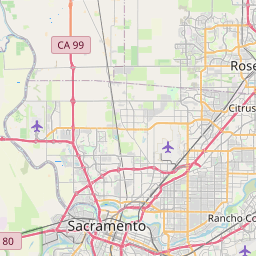
| Sacramento Intl | SMF | ~65 miles | 1.5–2 hours | Avoids Bay Bridge traffic entirely. A good backup when Bay Area fares spike. |
| San Jose Intl | SJC | ~75 miles | 2–3 hours | The longest drive of the four — the route crosses the full width of the Bay Area commute, so treat two hours as the floor. |
| Sonoma County (Charles M. Schulz) | STS | ~45 miles | 1–1.5 hours | Small airport with limited routes. Pairs well with a trip combining Sonoma and Napa. |
| Napa County Airport | APC | ~7 miles | 10–15 minutes | General aviation and private charter only — no scheduled commercial airline service. |
For a full step-by-step trip build — flights, rental car, then hotels — see the Napa Valley trip planner. Coming up just for the day? The day trip from San Francisco guide covers timing hour by hour. Keeping costs down once you arrive? Our guide to visiting Napa Valley on a budget pairs well with the free transit and ferry options above, and the Napa Valley events calendar is worth a look before you pick your travel dates — festival weekends change both traffic and hotel prices.
Driving to Napa Valley
From San Francisco, plan on about one hour on a clear weekday and up to two hours when traffic builds. There are two main ways to do it, and they are close enough in mileage that the choice comes down to traffic and scenery.
Golden Gate Bridge (the scenic route)
US-101 north → CA-37 east → CA-121 → CA-29 north
Cross the Golden Gate Bridge, run north through Marin, then cut east across the top of San Pablo Bay on Highway 37 before turning up the valley on Highway 29. It is the prettier arrival — bridge views, Marin hills, then vineyards — and it is the route to take if this is your first visit. Highway 37 is a two-lane bottleneck in places and backs up badly on Friday afternoons and Sunday evenings.
Bay Bridge / East Bay (the practical route)
I-80 east over the Bay Bridge → CA-37 west or CA-12 → CA-29 north
Take the Bay Bridge and run up I-80 through the East Bay, then head west into the valley. Mileage is similar to the Golden Gate route and it is usually the faster option in heavy Marin traffic — but the Bay Bridge approach and the I-80 corridor through Berkeley and Richmond are the Bay Area's most reliable congestion. This is also the natural route from Oakland and Sacramento airports.
Traffic timing tips
Avoid the two peak windows
Friday afternoon (roughly 2–7 p.m.) heading north and Sunday late afternoon into evening heading south are the worst times to be on either route — that is when the entire Bay Area drives to and from wine country. Leaving before 11 a.m. on Friday or after 7 p.m. on Sunday can cut close to an hour off the trip.
Use the HOV lanes if you qualify
The Bay Bridge approach and stretches of I-80 have carpool lanes and discounted carpool toll lanes during commute hours. With two or more people in the car — the usual case for a wine-country trip — check the posted occupancy and hours signs as you approach the toll plaza. Tolls are all-electronic, so there is no cash lane to sit in.
Highway 29 is its own traffic problem
Once you are in the valley, Highway 29 through St. Helena slows to a crawl on weekend afternoons. The Silverado Trail on the east side of the valley is the local workaround: usually faster, almost always prettier. Build 20–30 minutes of buffer into any timed tasting reservation.
Alternatives to Driving
You can reach downtown Napa without ever getting behind the wheel. All three options below are real, current services — but fares and departure times change, so verify them with the operator before you travel. Anything we could not confirm at the time of writing is flagged in brackets rather than estimated.
San Francisco Bay Ferry + Vine Transit
- 1.San Francisco Ferry Building (Gate E) to the Vallejo Ferry Terminal on the San Francisco Bay Ferry — a roughly one-hour crossing, with sailings every day and more frequent departures on weekdays.
- 2.At Vallejo, transfer to Vine Transit Route 11 (the Napa–Vallejo Connector), which serves the ferry terminal seven days a week and ends at the Soscol Gateway Transit Center in downtown Napa. Route 11X is a weekday-only express version of the same trip.
- 3.From Soscol Gateway you are a short walk or a very short rideshare from downtown Napa hotels, the Oxbow Public Market and the downtown tasting rooms.
This is the most pleasant car-free arrival, and the one to plan around if you are basing yourself downtown. The catch is the connection: ferry and bus timetables are not built for each other, so check both before you commit to a sailing.
Verify before you travel
- [CONFIRM: current one-way San Francisco Bay Ferry fare to Vallejo]
- [CONFIRM: current Vine Transit Route 11 adult fare and day-pass price]
- [CONFIRM: first and last daily departure times for the season you are travelling]
Amtrak San Joaquins + Thruway Bus Route 7
- 1.Ride the Amtrak San Joaquins to the Martinez station, which is also served by the Capitol Corridor from Sacramento, Davis, Berkeley and Oakland.
- 2.Transfer at Martinez to Amtrak Thruway Bus Route 7 (Martinez–Santa Rosa–Arcata), which stops in Vallejo and then in Napa.
- 3.The Napa stop is the Soscol Gateway Transit Center, walking distance from downtown Napa and the Oxbow Public Market.
Best for travellers already coming by rail from the Central Valley or Sacramento. Only some Route 7 buses call at Napa, so this option lives or dies on the timetable — read it before you book the train.
Verify before you travel
- [CONFIRM: which daily Route 7 departures actually stop in Napa — not every scheduled bus does]
- [CONFIRM: current Amtrak fare and whether a bus-only ticket is being sold for your city pair]
Rideshare (Uber and Lyft)
- 1.Uber and Lyft both serve the valley, and both will take you from SFO, OAK or downtown San Francisco to Napa.
- 2.Treat it as an intercity ride, not an airport hop: SFO to downtown Napa is roughly 55 miles, so the fare is in a different bracket than a trip across San Francisco, and weekend-afternoon surge pricing hits the same hours as the worst traffic.
- 3.Coverage is good around downtown Napa and Yountville, thinner in the evening and on rural roads north of St. Helena — do not assume a quick pickup from a hillside winery at closing time.
Most useful as a one-way arrival, or in combination with a guided tour that includes transport for the tasting days themselves.
Verify before you travel
- [CONFIRM: current typical SFO-to-Napa rideshare fare range]
Arriving car-free works best from a walkable base — see downtown Napa or Yountville, and pair it with a wine tour that includes a driver.
Up-Valley Shuttles
Once you are up-valley, three small on-demand shuttles run by Vine Transit cover the towns themselves — useful for getting from your hotel to dinner without moving the car. They work like a public micro-transit service: you request a ride by phone or app and a wheelchair-accessible van comes to you. All three connect with Vine Route 10, the fixed-route bus that runs the length of the valley. Details below are taken from Vine Transit's own route pages; hours and fares do change seasonally, so confirm before you rely on a late pickup.
Calistoga Shuttle
- How to book
- No advance reservation needed. Call (707) 963-4229, use the Ride The Vine app, or book at ondemand.transloc.com.
- Typical wait
- About 15–30 minutes from when you request it.
- Cost
- $1 cash one-way (exact fare; drivers cannot make change). Punch Passes in $10 and $20 amounts are sold at Calistoga City Hall.
- Hours
- Mon–Thu 7am–7pm, Fri 7am–9pm, Sat 8:15am–9pm, Sun 11am–9pm (Sunday service runs May 1–Nov 30). No service on several major holidays.
- Where it goes
- Anywhere inside Calistoga city limits, plus Bennett Lane Winery, Castello di Amorosa and Bothe-Napa Valley State Park. Connects with Vine Route 10.
St. Helena Shuttle
- How to book
- Call (707) 963-3007, use the Ride The Vine app, or book through Vine's online rider portal.
- Typical wait
- [CONFIRM: Vine does not publish a typical wait time for the St. Helena Shuttle — call ahead, especially on Saturdays]
- Cost
- $1 adults; 50¢ youth (6–18) and seniors/riders with disabilities. Discounted transfer to the Vine, free transfer from the Vine.
- Hours
- Mon–Thu 8:30am–6pm, Fri 8:30am–7pm, Sat 10am–7pm. No Sunday service.
- Where it goes
- On-demand, door-to-door within designated areas of St. Helena, plus a limited weekday fixed route.
Yountville Bee Line (formerly the Yountville Trolley)
- How to book
- No advance reservation needed. Call (707) 312-1509, use the Ride The Vine app, or book through Vine's online rider portal.
- Typical wait
- About 15–30 minutes from when you request it.
- Cost
- Free — the Town of Yountville covers the fare.
- Hours
- Mon–Thu 10am–7pm, Fri–Sat 10am–9pm, Sun 10am–7pm. No service on several major holidays.
- Where it goes
- On-demand service within the Town of Yountville. Wheelchair accessible and connects with Vine Route 10.
Worth knowing
These shuttles stay inside their own town — none of them will drive you from Yountville to St. Helena. For town-to-town travel use Vine Route 10, or book a tour with a driver. Vine customer service is (707) 251-2800.
Biking the Valley
The Napa Valley Vine Trail is a paved, flat, car-free path that currently links downtown Napa with Yountville, with sections built and further extensions planned north toward St. Helena and Calistoga and south toward Vallejo. It is genuinely family-friendly — no shoulder-riding on Highway 29 — and it makes a bike a realistic way to get between a downtown Napa hotel and Yountville's restaurants.
We cover the riding itself elsewhere: see Napa Valley outdoors, trails and waterfalls for where to ride and walk, and guided e-bike and cycling tours if you would rather have the route, the bike and the winery stops arranged for you.
Napa Valley Vine Trail CoalitionGetting to Napa Valley: Common Questions
What is the closest airport to Napa Valley?
Napa County Airport (APC) is the closest, about 7 miles south of downtown Napa, but it handles private and general aviation only — no scheduled commercial flights. For commercial service the closest option is Oakland (OAK), roughly 45 miles and 1–2 hours away depending on traffic. San Francisco (SFO) is about 55 miles and 1.5–3 hours, and Sacramento (SMF) is about 65 miles and 1.5–2 hours.
How long does it take to drive from San Francisco to Napa?
About one hour on a clear weekday, and up to two hours when weekend or commute traffic builds. Both main routes — the Golden Gate Bridge through Marin and Sonoma, or the Bay Bridge up the East Bay to Highway 37 — cover roughly the same distance, so the deciding factor is usually traffic and scenery rather than mileage.
Can you get to Napa Valley without a car?
Yes. The San Francisco Bay Ferry runs from the downtown San Francisco Ferry Building to Vallejo, where Vine Transit Route 11 connects to the Soscol Gateway Transit Center in downtown Napa seven days a week. Amtrak riders can take the San Joaquins to Martinez and transfer to Thruway Bus Route 7, which also stops at Soscol Gateway. Once you are in Napa, downtown tasting rooms, the Oxbow Public Market, guided wine tours with a driver and rideshare cover most of a trip.
Which Vine Transit route goes from the Vallejo ferry to Napa?
Route 11, the Napa–Vallejo Connector, links the Vallejo Ferry Terminal with the Soscol Gateway Transit Center in downtown Napa and runs every day of the week. Route 11X is a weekday-only express version of the same trip with fewer stops. Check the current Vine Transit timetable before you travel, because departures are spaced out and the last northbound trip of the day is earlier than most visitors expect.
Is Uber or Lyft a realistic way to get to Napa Valley?
It works, but treat it as a long intercity ride rather than a short airport hop: SFO to downtown Napa is roughly 55 miles, so expect a fare far above a typical in-city trip and surge pricing on weekend afternoons. Rideshare is more useful once you are already in the valley, and coverage thins out in the evening and on rural roads north of St. Helena.
Is there public transportation inside Napa Valley?
Yes. Vine Transit Route 10 runs the length of the valley from downtown Napa through Yountville and St. Helena to Calistoga along Highway 29, seven days a week. Calistoga, St. Helena and Yountville each also run their own on-demand shuttles within town limits — typically $1 or free, booked by phone or the Ride The Vine app. For evening winery dinners or appointment-only hillside estates, though, a tour with a driver or rideshare is the practical option.
Related Guides
Continue Exploring Napa Valley
Dive deeper into planning with these curated guides.
How to do a Napa Valley day trip from San Francisco
Driving times, ferry + train options, and guided day tours from $189
How to visit Napa Valley on a budget
Tasting fees under $30, cheap hotels, and free winery visits
Napa Valley events and wine festivals by month
Harvest events, seasonal festivals, and annual celebrations
Napa Valley travel tips for first-time visitors
When to go, how many wineries per day, and getting around
Napa Valley first-timer's guide
What to expect, which town to base in, and common mistakes to avoid
Plan a Napa Valley trip: flights, cars and hotels
Step-by-step trip builder with airport, rental car and lodging picks