
Practical Guide
Napa Valley Travel Tips
Insider advice to help you plan the perfect Napa Valley trip — from timing and transport to tasting etiquette and packing essentials.
Disclosure: This page contains affiliate links. Napa.now may earn a commission when you book through our partners — at no extra cost to you. We only recommend experiences we believe in. Learn more.
"The best tip anyone gave us was to slow down. Three wineries a day, long lunches, and no rushing. That's when Napa really opens up."— Verified Guest Review
Jump to a Topic

Best Time to Visit
Every season in Napa Valley has its own personality. Harvest season (September–October) is the most electric — grapes are being picked and crushed, the air smells of fermenting juice, and vineyards blaze with crimson and gold. It's also peak season, so book everything well in advance.
Spring (March–May) is the locals' favorite: lush green vineyards carpeted in wild mustard, moderate temperatures, and far fewer crowds. Winter (November–February) is the hidden gem — lower hotel rates, no crowds, cozy fireside tastings, and the chance to chat directly with winemakers.
Spring (Mar–May)
Best ValueLush vineyards, wildflower blooms, moderate crowds. 65–80°F.
Summer (Jun–Aug)
Most PopularPeak season, outdoor concerts, vibrant energy. 80–95°F.
Harvest (Sep–Oct)
Most ExcitingCrush events, fall colors, festivals. 75–90°F.
Winter (Nov–Feb)
Hidden GemIntimate tastings, lower prices, cozy atmosphere. 50–65°F.
See our Events & Seasonal Guide for specific festival dates.
Getting Around Napa Valley
A rental car gives you complete freedom to explore at your own pace. Highway 29 and the Silverado Trail are the valley's two main north-south routes. Important: California has strict DUI laws — if you're tasting wine, designate a driver, use spit buckets, or consider alternative transport.
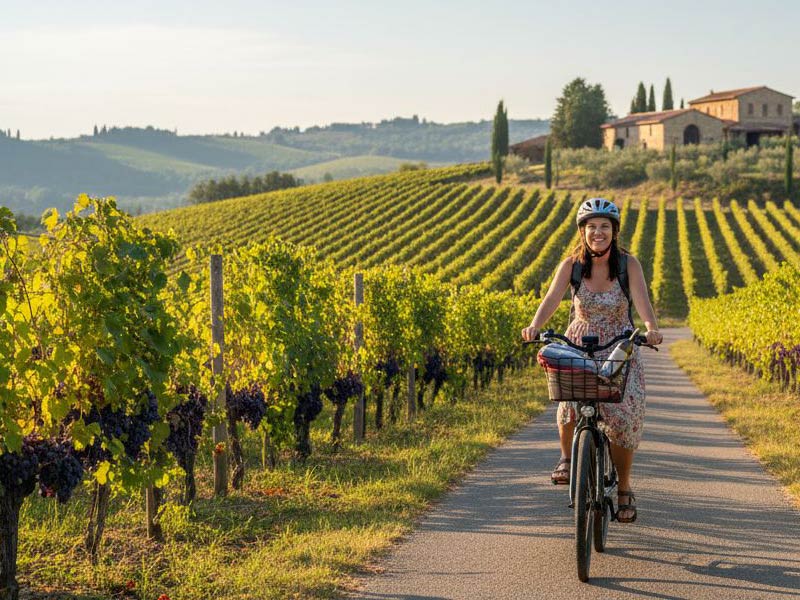
Guided wine tours include transportation so you can taste freely without worrying about driving. Options range from shared small-group vans to private luxury SUVs. E-bike tours are increasingly popular — the valley is flat and scenic, perfect for cycling between wineries. Uber and Lyft operate in the area, though wait times can be longer than in major cities.
Book a Tour with Transport
 Bestseller
Napa and Sonoma Valley Full-Day Wine Tour from San Francisco
$119

Booking.com Connected Trip
Rental Cars vs. Tours
If you want maximum flexibility for appointment-only wineries, compare a rental car. If you prefer to taste without worrying about driving, a guided tour with transport is the smarter choice.

Budget Planning
Napa Valley can be as affordable or as luxurious as you want. Budget travelers can expect $150–250/day with a mid-range B&B, 2–3 tastings, and casual dining. Mid-range is $350–600/day with a boutique hotel, guided tour, and one upscale dinner. Luxury runs $800+/day for 5-star resorts, private tours, and Michelin-starred dining.
Money-saving tips: Visit during winter for lower hotel rates. Many wineries waive the tasting fee if you purchase a bottle. Weekday visits are less crowded and sometimes less expensive. Pack a picnic from the Oxbow Public Market to save on one meal per day.
Budget
$150–250/day
Mid-range B&B, 2–3 tastings ($25–50 each), casual dining, self-driving
Mid-Range
$350–600/day
Boutique hotel, guided tour with tastings, one upscale dinner, wine purchases
Luxury
$800+/day
5-star resort, private car tour, Michelin-starred dining, hot air balloon, spa
For more savings tips, see our Budget Guide.

Tasting Room Etiquette
Most Napa wineries require appointments, especially since 2020. Walk-ins are becoming rarer — always call ahead or book online, or use our walk-in wine tasting guide to find rooms that take drop-ins. Plan 3–4 wineries per day maximum. Each tasting typically includes 4–6 pours, so you'll be sampling quite a bit of wine even with just a few stops.
Use the spit bucket — there's no shame in spitting, it's what professionals do. Skip strong perfume or cologne as it interferes with your ability to smell the wine. Don't be shy about asking questions — tasting room staff love sharing their knowledge about the wines, food pairings, and winemaker's philosophy.

What to Pack
Napa Valley is California casual — you'll rarely need anything formal, but smart-casual is appropriate for upscale tastings and dinners. Mornings can be cool with fog, but afternoons warm up quickly, so layers are essential.
Don't forget comfortable walking shoes (winery paths are often gravel), sun protection (the valley sun is strong), and a reusable water bottle to stay hydrated between tastings. If you plan to buy wine, bring a wine carrier or plan for checked luggage on your flight home.
Essentials
- Comfortable walking shoes
- Layers & light jacket
- Sunscreen and sunglasses
- Reusable water bottle
- Camera or good phone
Nice to Have
- Wine carrier for purchases
- Smart-casual dinner outfit
- Picnic blanket & corkscrew
- Notebook for favorite wines
- Hat for sun protection

Day Trip vs. Multi-Day
A full-day wine tour from San Francisco lets you visit 2–3 wineries with tastings and a meal. It's a great introduction, though you'll spend about 2 hours total in transit. Best for travelers short on time.
The sweet spot for most visitors is a 2–3 day weekend getaway. That's enough time to explore different towns, enjoy fine dining, try an adventure activity like a hot air balloon or e-bike tour, and visit 6–10 wineries without feeling rushed. For an extended stay of 4–7 days, you can deeply explore both Napa and Sonoma, take cooking classes, enjoy spa days, and discover hidden gems.
Day Trip
1 day
2–3 wineries, one meal, great intro from San Francisco
Weekend Getaway
2–3 days
6–10 wineries, fine dining, one adventure activity
Extended Stay
4–7 days
Deep exploration of Napa & Sonoma, classes, spa, hidden gems
See our 3-Day Itinerary for a day-by-day plan, or browse Wine Tours for day trips from San Francisco.
Common Questions
Travel Tips FAQs
Do I need reservations for Napa Valley wineries?
Yes, most Napa wineries require appointments, especially since 2020. Walk-ins are becoming rarer — always call ahead or book online.
What is the best time to visit Napa Valley?
Harvest season (September–October) is the most exciting time, with grape picking, festivals, and fall colors. Spring (March–May) offers the best value with lush vineyards and lighter crowds. Winter is the hidden gem with lower prices and intimate tastings.
How much does a Napa Valley trip cost?
Budget travelers can expect $150–250/day (mid-range B&B, 2–3 tastings, casual dining). Mid-range is $350–600/day (boutique hotel, guided tour, upscale dinner). Luxury is $800+/day (5-star resort, private tours, Michelin dining).
How do I get around Napa Valley without a car?
Options include guided wine tours with transportation, e-bike tours, the Napa Valley Wine Train, Uber/Lyft, and local shuttle services. Many visitors opt for guided tours to avoid driving after tastings.
Is tipping expected at Napa Valley tasting rooms?
Tips aren't expected at most Napa tasting rooms, but are appreciated for exceptional private tours or lengthy educational tastings. $5–10 per person is generous.
Plan Your Stay
Where to Stay in Napa Valley
Compare every option before you book — boutique inns and resorts in the lodging directory, or familiar brands like Marriott, Hilton and Hyatt in the hotels guide.
Related Guides
Continue Exploring Napa Valley
Dive deeper into planning with these curated guides.
How to do a Napa Valley day trip from San Francisco
Driving times, ferry + train options, and guided day tours from $189
How to visit Napa Valley on a budget
Tasting fees under $30, cheap hotels, and free winery visits
Napa Valley first-timer's guide
What to expect, which town to base in, and common mistakes to avoid
Plan a Napa Valley trip: flights, cars and hotels
Step-by-step trip builder with airport, rental car and lodging picks
Visiting Napa Valley for the first time
Getting here, which towns to base in, and how long to stay
Getting to and around Napa Valley
Airports, drive times, the Vallejo ferry, Amtrak, shuttles and the Vine Trail
Plan Your Trip
Everything you need to build your perfect Napa Valley itinerary.


