Seasonal Guide
Napa Valley in Fall: The Harvest Season Guide
What "the crush" actually feels like on the ground — when each variety is picked, which wineries run the best working-harvest tastings, and how to plan a fall trip that's worth the premium.
Disclosure: This page contains affiliate links. Napa.now may earn a commission when you book through our partners — at no extra cost to you. We only recommend experiences we believe in. Learn more.
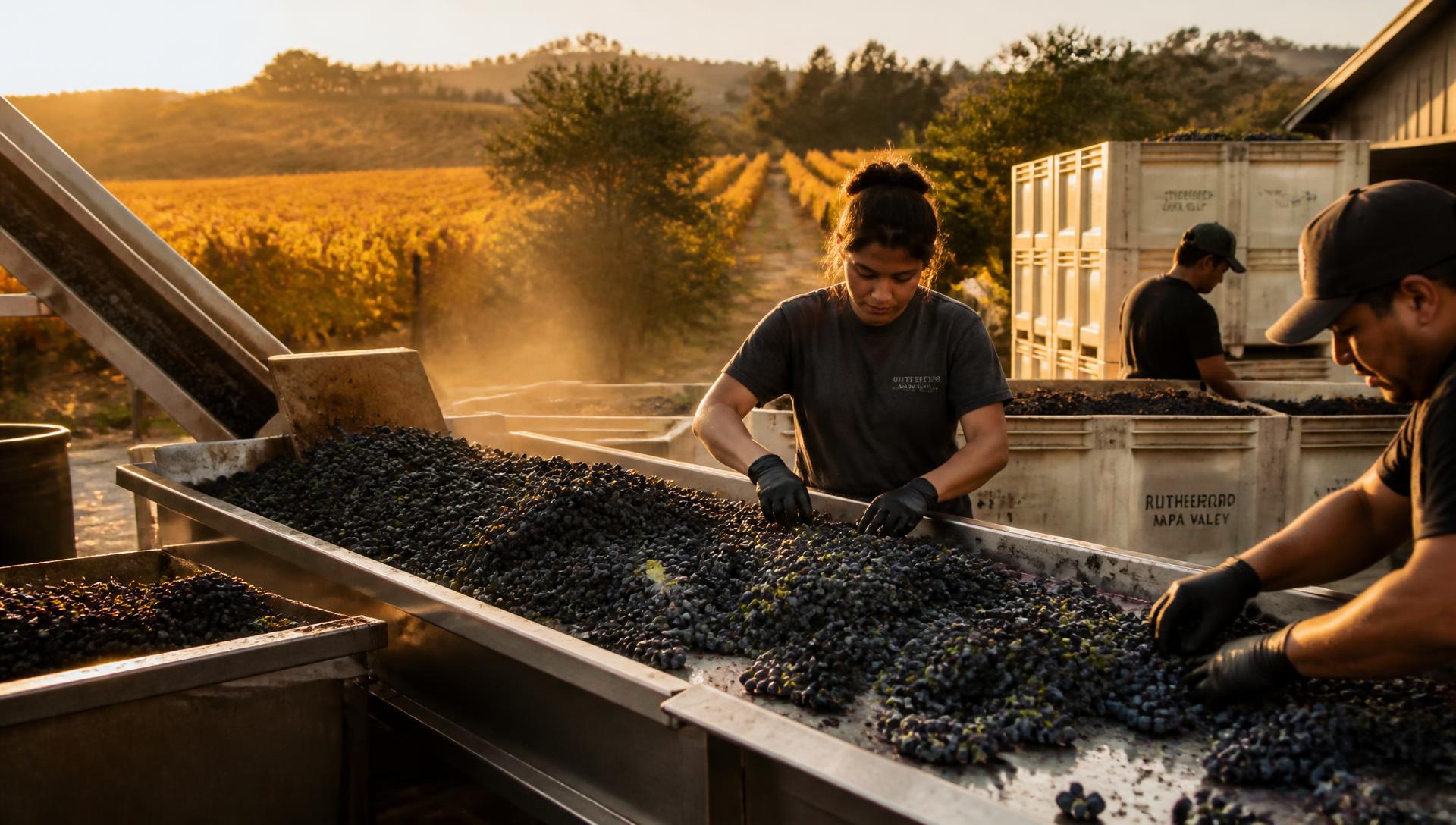
Ask any winemaker in Napa what their favorite season is and they will laugh first, then say "harvest" — usually while answering an email at 6 a.m. with a forklift idling outside. For roughly eight to ten weeks every fall, the entire valley shifts into a shared rhythm: tractors on Highway 29 before sunrise, sorting tables humming behind cellar doors, and the unmistakable sweet-yeast smell of fermentation drifting out of every winery you walk past. If you have only one chance to see Napa Valley as Napa Valley sees itself, this is the window.
This guide is built from a decade of harvest visits and conversations with the people doing the actual picking. We cover the picking calendar by varietal, the wineries that genuinely open their crush pads to visitors, the events worth building a weekend around, and the honest trade-offs — because fall in Napa is also the most expensive, most booked-out, and most traffic-bound stretch of the year.
Peak Energy
Late September – Mid October
Cabernet coming in, every cellar in motion, golden canopy.
Best Value Within Fall
Mid-November
Crush winding down, rates softening, fall color at its peak.
The Picking Calendar
Harvest does not arrive all at once. Each varietal has its own ripening window, and the order rarely changes much from year to year — only the start date moves earlier or later depending on the growing season. A warm spring and dry summer (like 2024) can push the first pick into the second week of August; a cooler year can hold it into early September.
Mid-August to early September: Sparkling wine base (Pinot Noir and Chardonnay from Carneros) comes in first, picked at lower sugars to preserve acidity. Domaine Carneros and Mumm Napa are the most visible producers during this window.
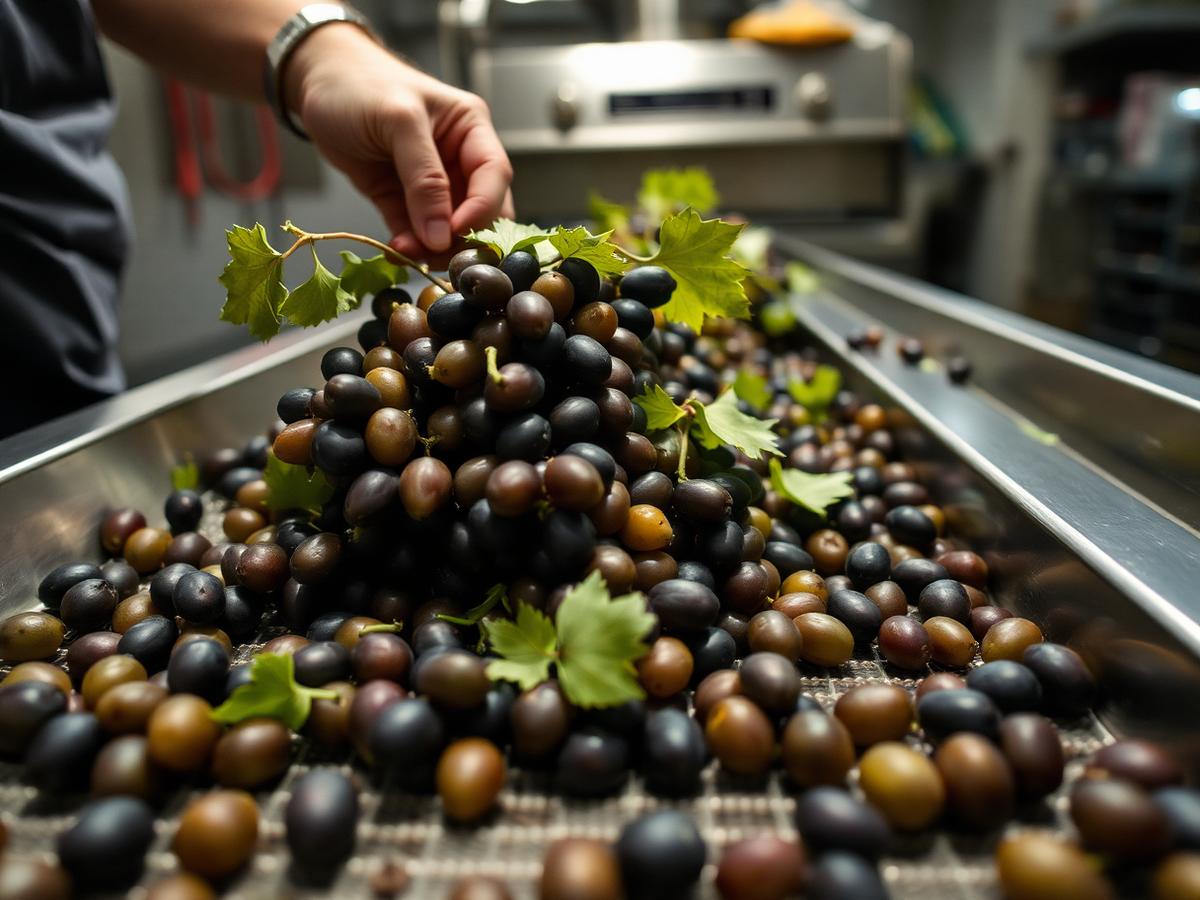
Early to mid-September: Still Sauvignon Blanc and Chardonnay are picked across the valley. White grapes are processed fastest, so cellars are at their most active — sorting, pressing, and tank-filling sometimes happening within hours of the fruit arriving.
Mid-September to early October: Pinot Noir, Merlot, and Zinfandel follow. Open-top fermenters appear on crush pads. This is the most photogenic stretch of the year.
Early to mid-October: Cabernet Sauvignon — the grape that built Napa's modern reputation — comes in last. Hillside fruit from Howell Mountain, Pritchard Hill, and Diamond Mountain typically finishes the season, sometimes pushing into the last week of October in cool years.
Featured Experience
Napa Valley Hop-On Hop-Off Open-Air Wine Trolley
Where to Stay Up-Valley During Harvest
Harvest weekends sell out first in St. Helena, Rutherford, and Calistoga — these three book earliest.
 St. Helena
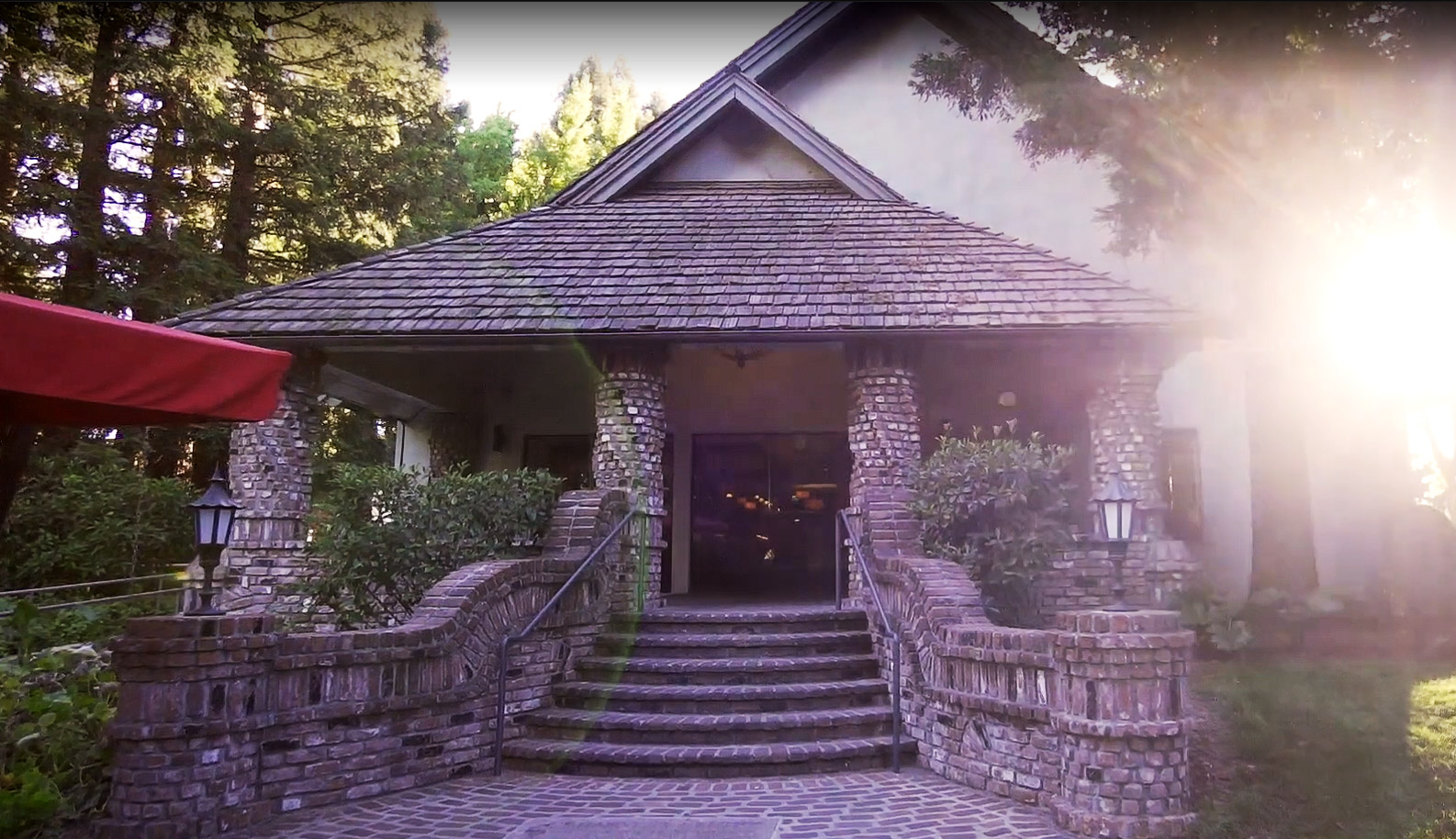
Harvest Inn by Charlie Palmer
Set among 8 acres of gardens and vineyards, this English Tudor-style inn features two pools, fireplaces, and vineyard-view balconies.
 Rutherford & Oakville
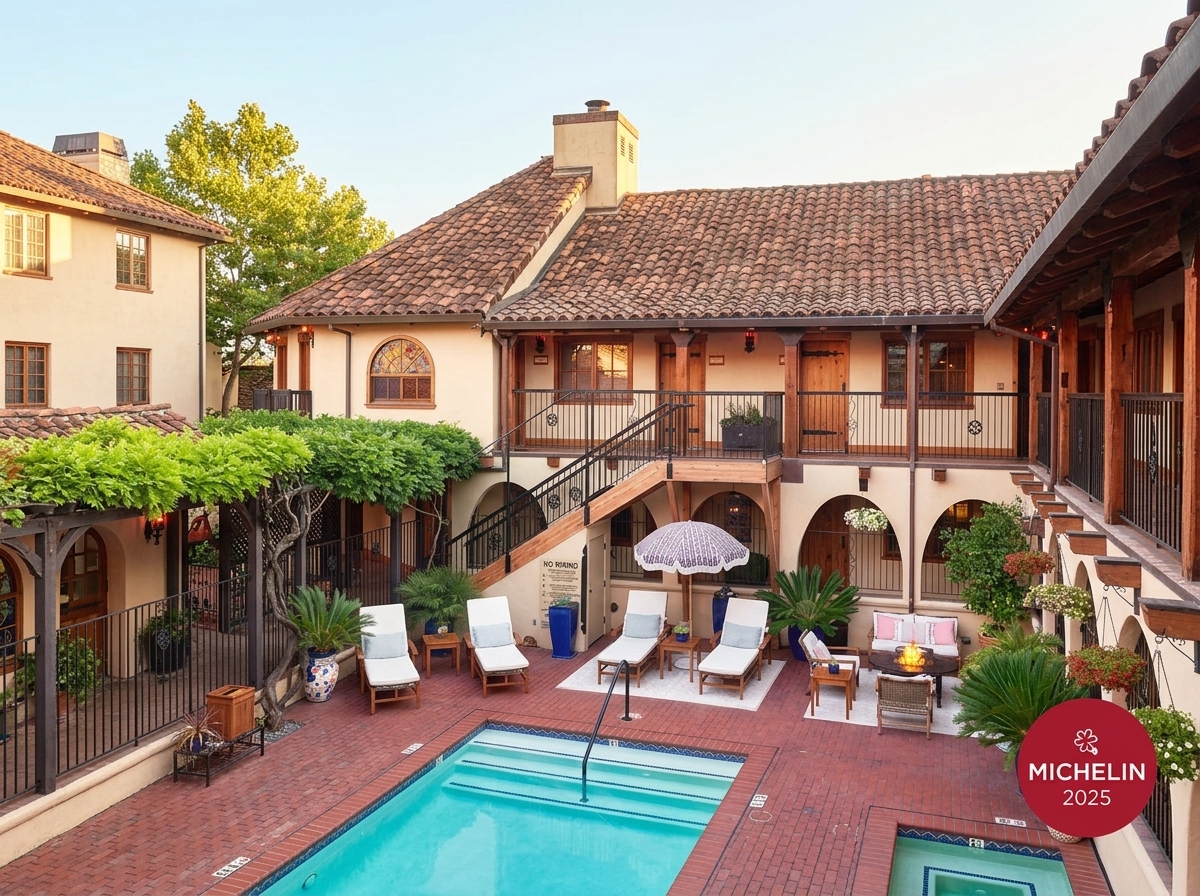
Rancho Caymus Inn
A hacienda-style boutique inn with hand-crafted interiors, a garden courtyard, and complimentary wine tastings in the heart of Rutherford.
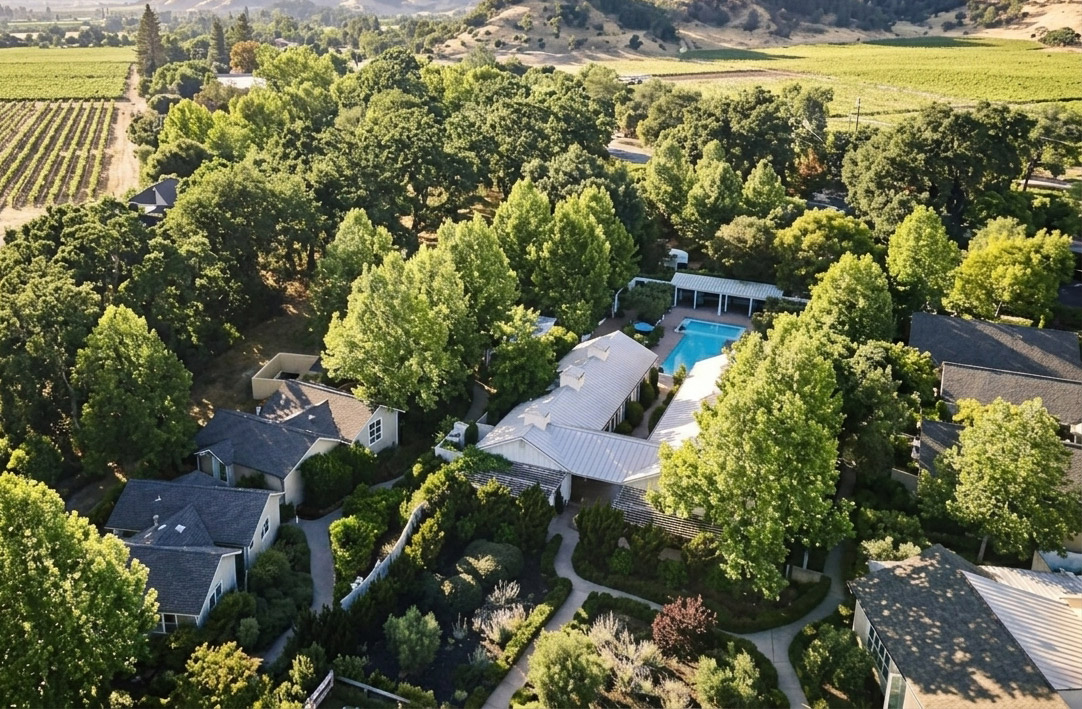 WellnessCalistoga
Solage, Auberge Resorts
A modern wellness retreat with the signature Mudslide treatment, Solbar restaurant, and studio-style rooms with private patios.
Where to See an Actual Working Harvest
Book early: harvest slots disappear by Labor Day. Working-crush tastings are capped at a handful of guests per day, and the September–October calendar at these wineries is usually full weeks before the first Cabernet is picked.
Most tasting rooms keep crush pads off-limits to general visitors for liability reasons. The wineries below are the ones that, in our experience, actually let you see the work — fruit on sorting tables, punch-downs in open fermenters, the rumble of a destemmer in the next room.
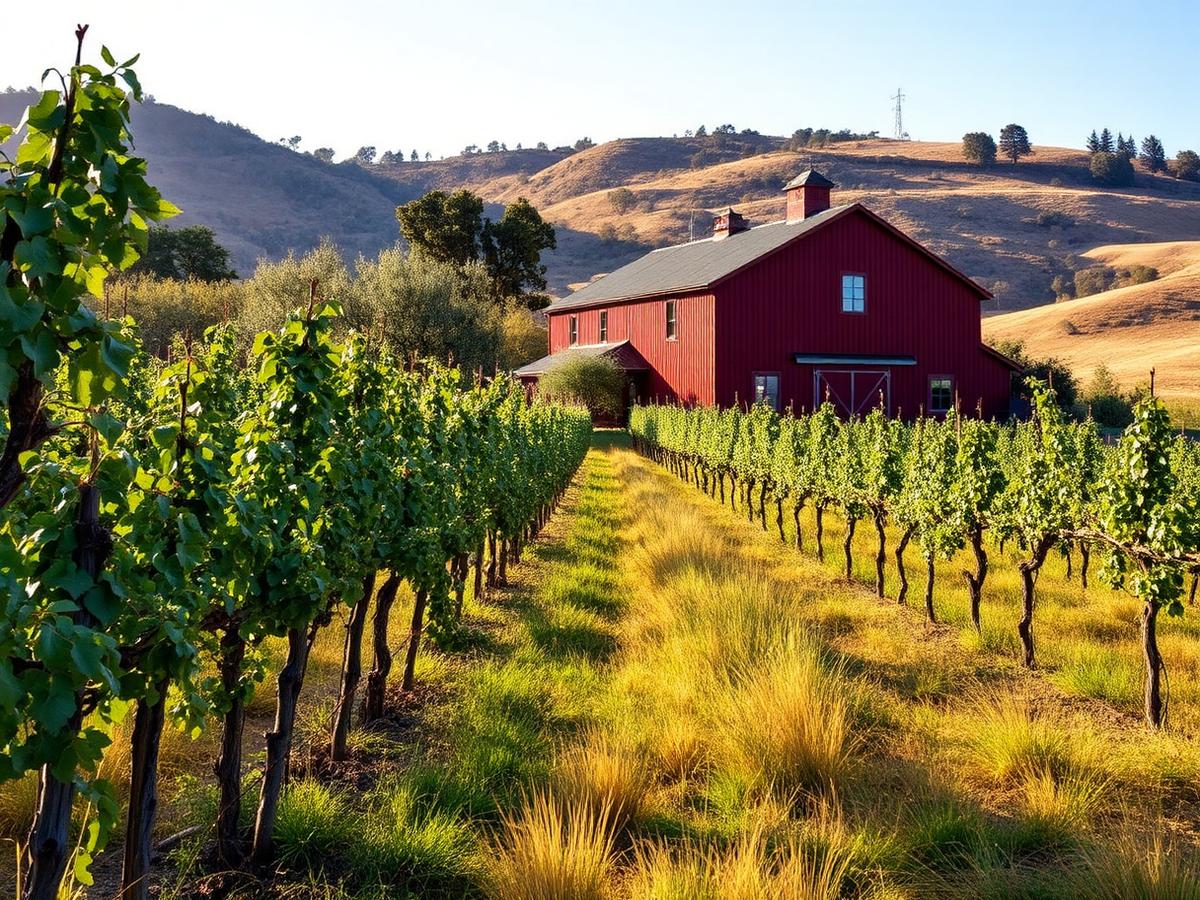
Frog's Leap
Rutherford
Organic, dry-farmed, and refreshingly unfussy. Their guided tour during crush walks you straight onto the pad, past open fermenters and the sorting line, before a seated tasting on the porch of the red barn.
Visit Site — frogsleap.com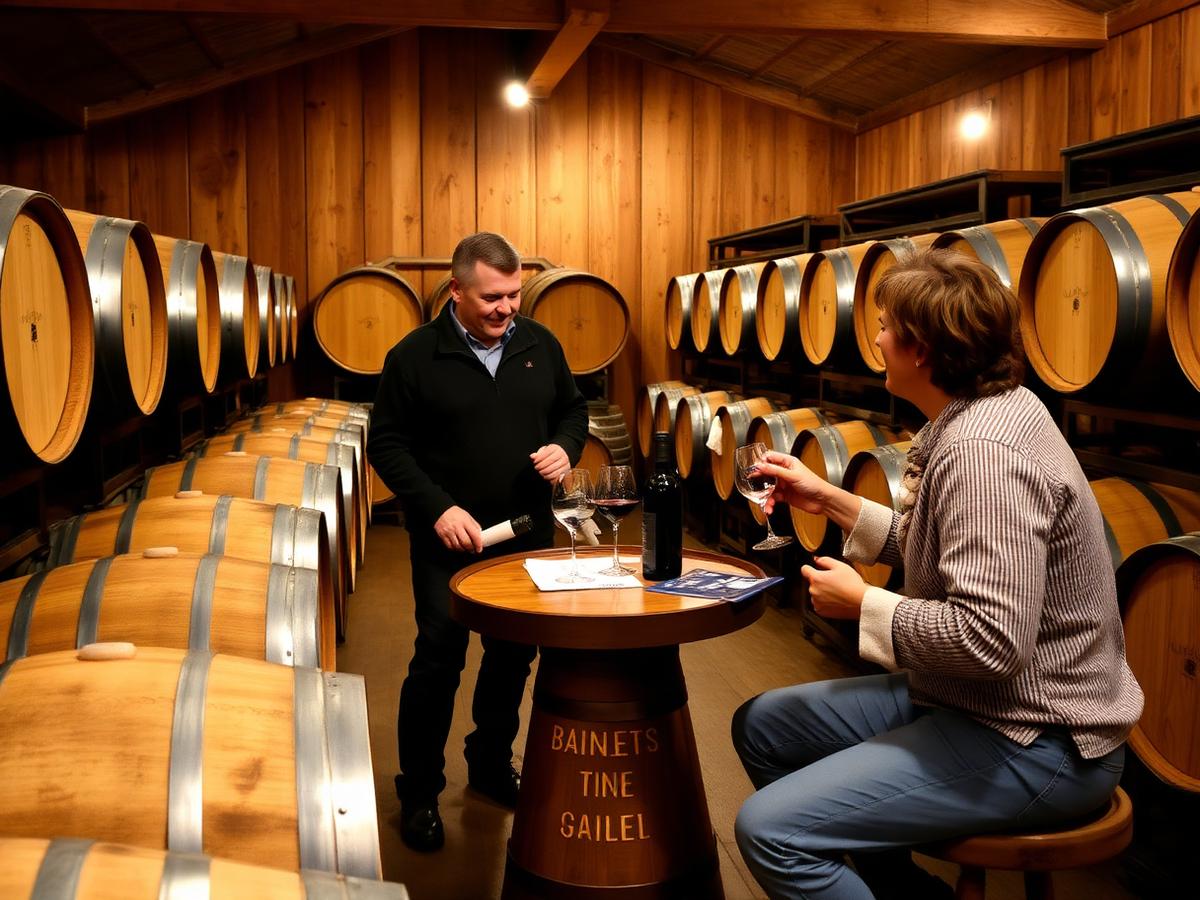
Cakebread Cellars
Rutherford
A multi-generation family operation that runs a thoughtful harvest tour with barrel samples of the in-progress vintage — one of the few places you can taste fermenting wine alongside the finished bottling.
Visit Site — cakebread.com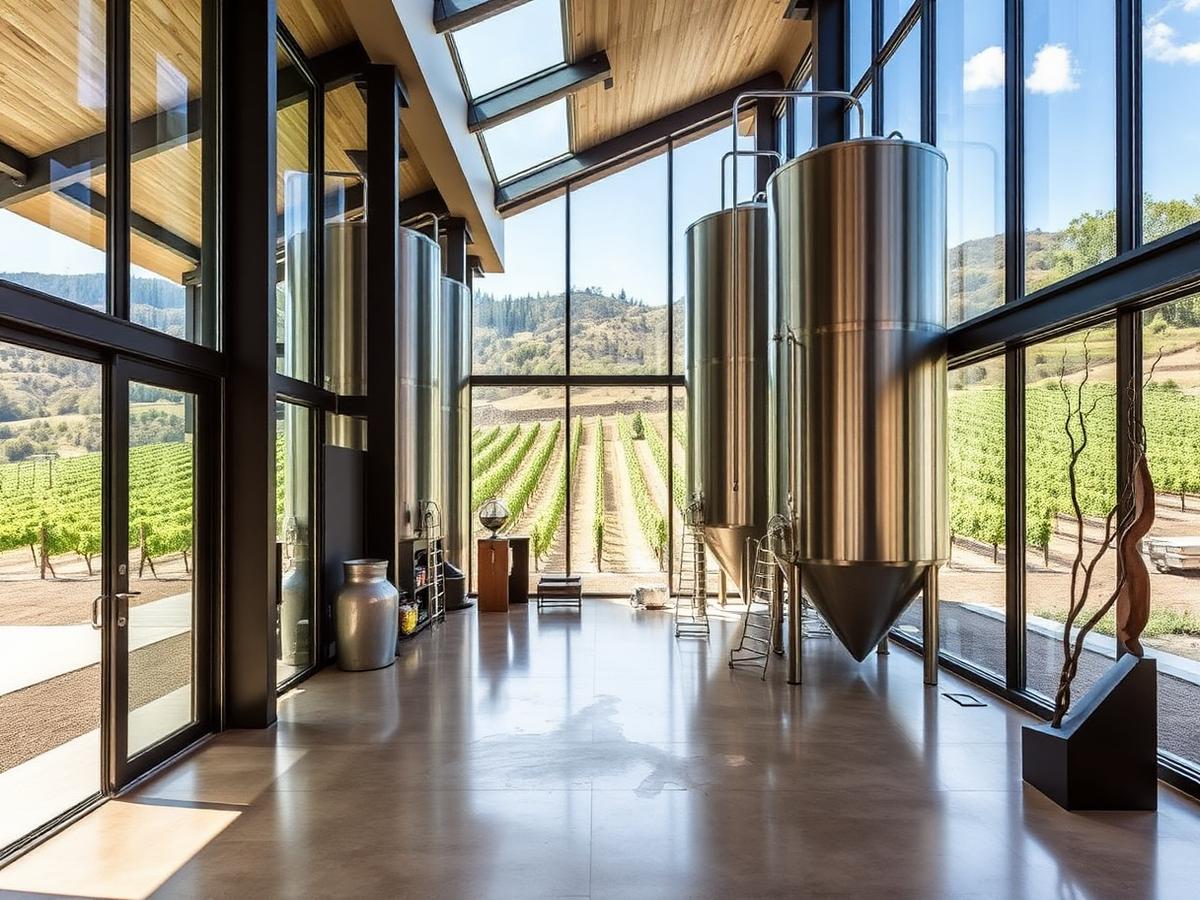
Hall Wines
St. Helena
Modern gravity-flow winemaking on full display through glass walls, paired with a notable contemporary art collection. The most architecturally interesting way to see a working commercial crush.
Visit Site — hallwines.com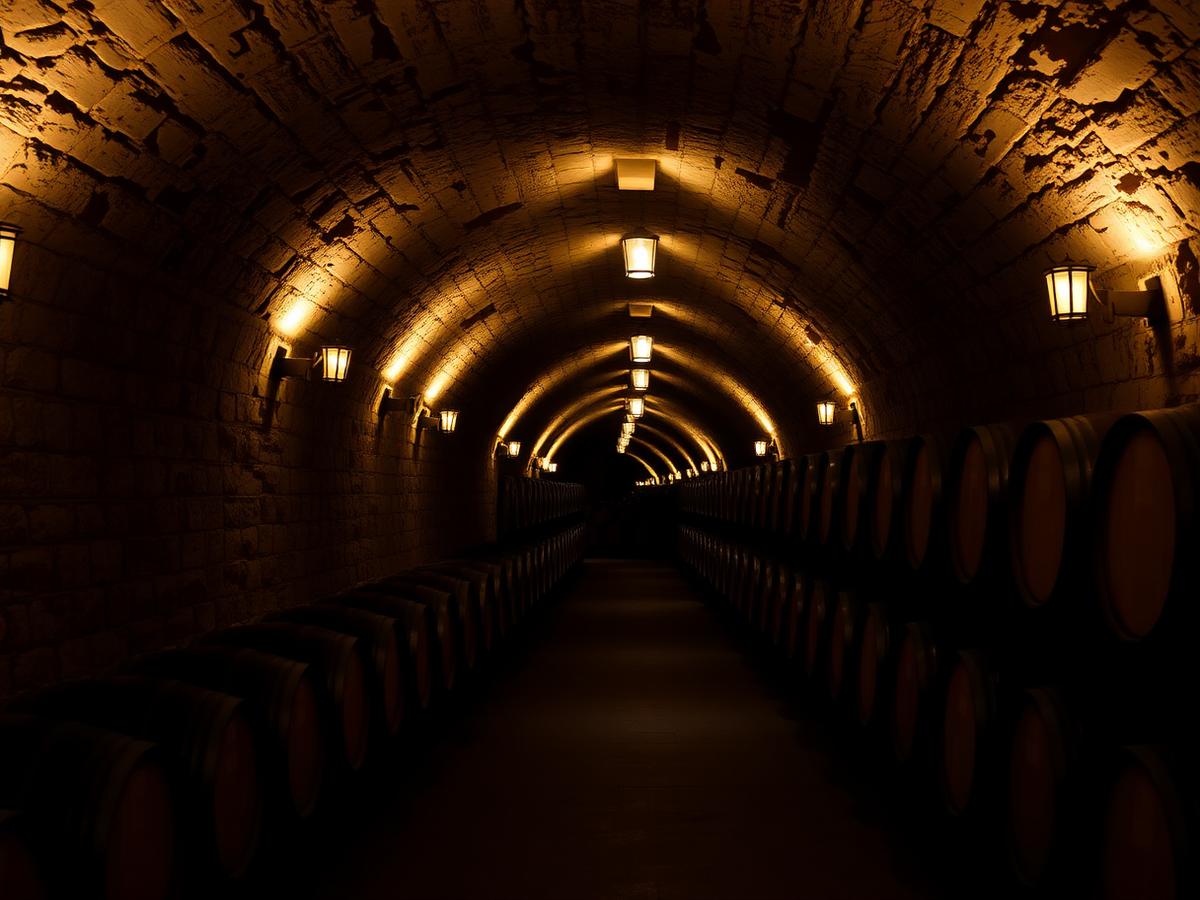
Rutherford Hill Winery
Rutherford
Nearly a mile of caves carved into the hillside stay cool during fall heat spikes, and the crush pad sits just outside the entrance — so you can watch fruit arrive, then walk straight into the barrel tunnels.
Visit Site — rutherfordhill.com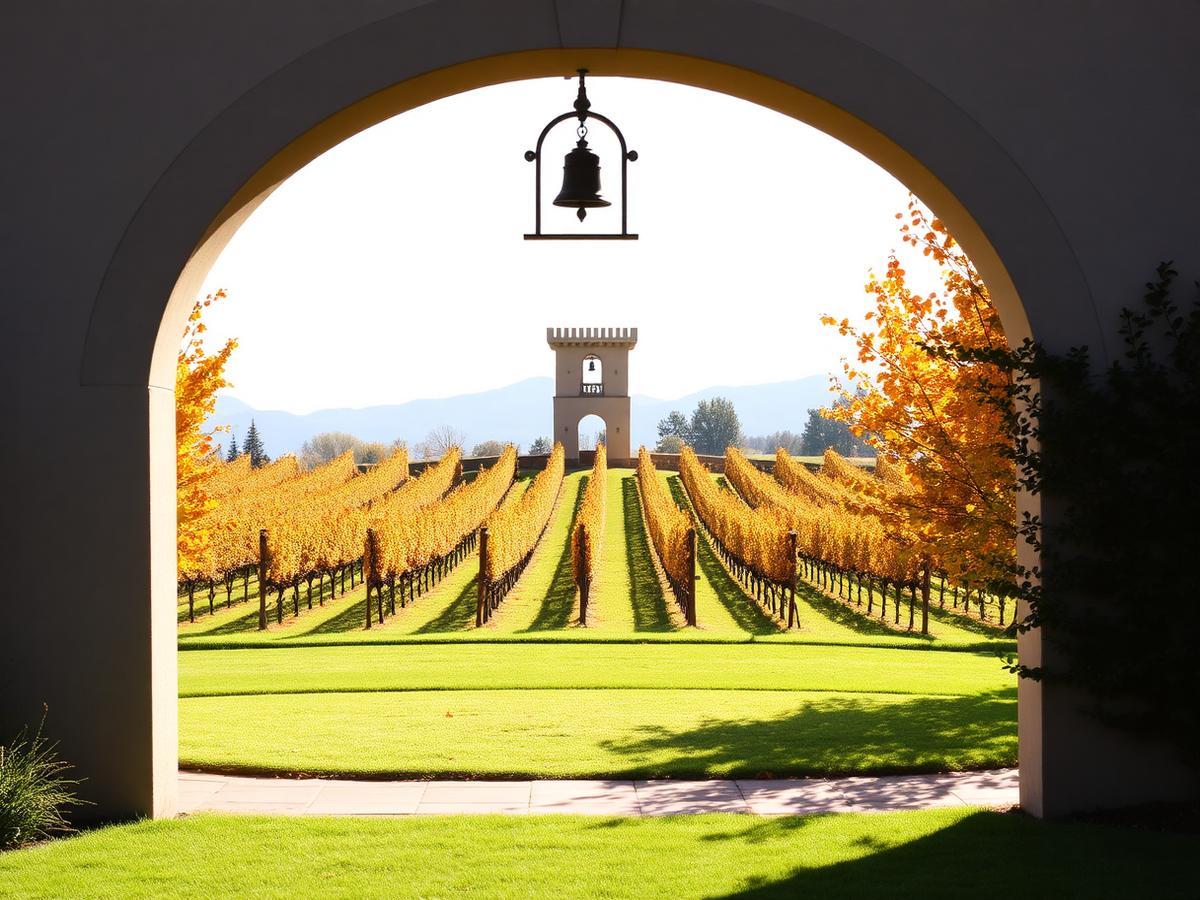
Robert Mondavi Winery
Oakville
The valley's most recognizable arch, and still the most accessible introduction to commercial-scale crush. Harvest-season tours cover fruit intake, fermentation, and the To Kalon vineyard the estate is built on.
Visit Site — robertmondaviwinery.com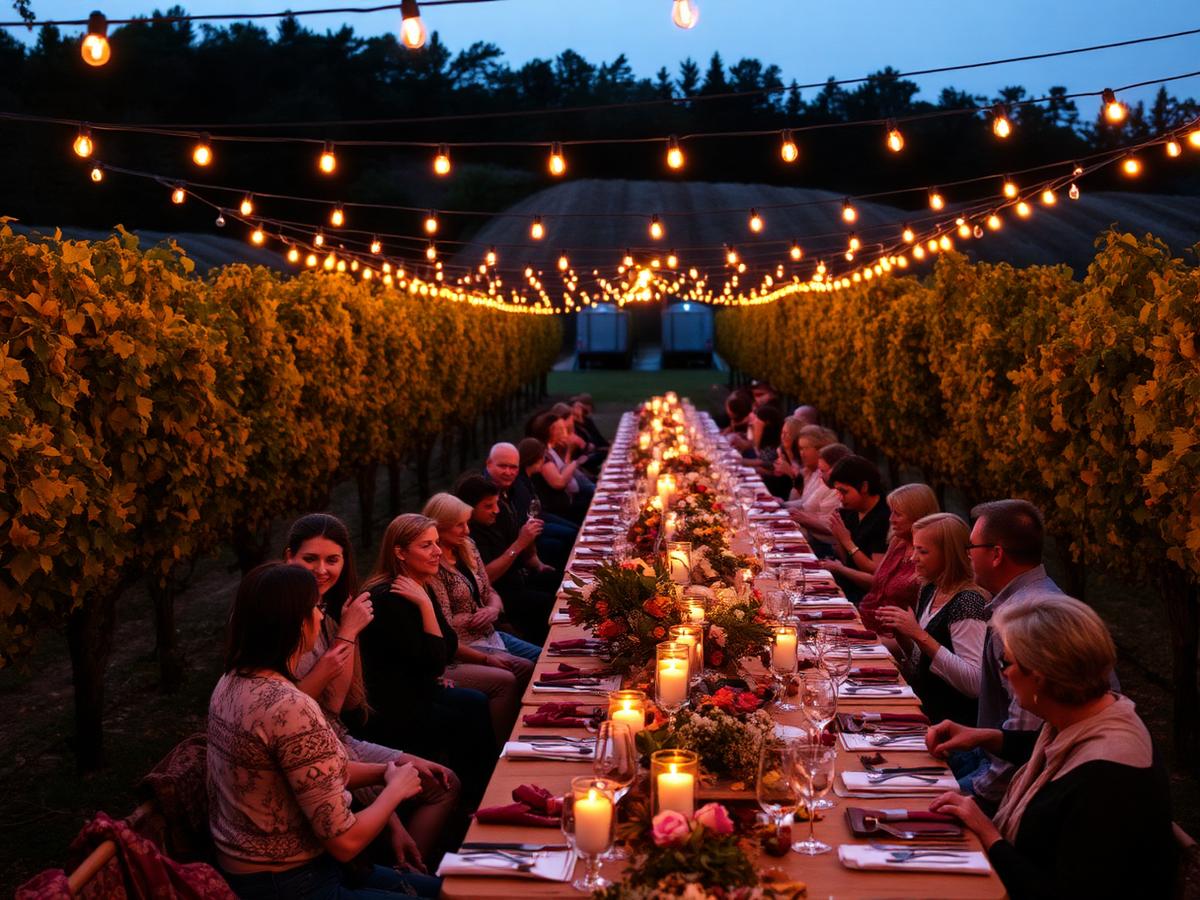
Fall Events Worth Planning Around
Napa Valley Film Festival weekend (early November): A quieter, more local-feeling event than the summer festivals, with screenings, winemaker dinners, and downtown street programming.
Flavor! Napa Valley (mid-November): Multi-day food and wine showcase produced in part by the Culinary Institute of America at Greystone. Excellent for first-time visitors who want broad exposure to the valley's chefs and producers in one trip.
Yountville Festival of Lights (the day after Thanksgiving): The town's tree-lighting kicks off a six-week run of holiday illumination along Washington Street — one of the prettiest small-town evenings in California.
For a full breakdown by month, see our companion piece on the best time to visit Napa Valley.
Practical Planning Notes
Travel midweek if you possibly can. Saturday traffic on Highway 29 between Yountville and St. Helena during harvest can add 30–40 minutes to what should be a 15-minute drive. A Tuesday-through-Thursday trip feels like an entirely different valley.
Base yourself up-valley. Staying in St. Helena or Calistoga puts you closer to the heart of the action and skips the morning commute from the city of Napa. See our lodging guide for picks at every budget.
Book dinners before tastings. Flagship rooms (The French Laundry, Press, Kenzo, Single Thread in nearby Healdsburg) fill 60–90 days out for fall weekends. Lock the table first, then build the day's tastings around it — our day-by-day harvest itinerary sequences all of it hour by hour.
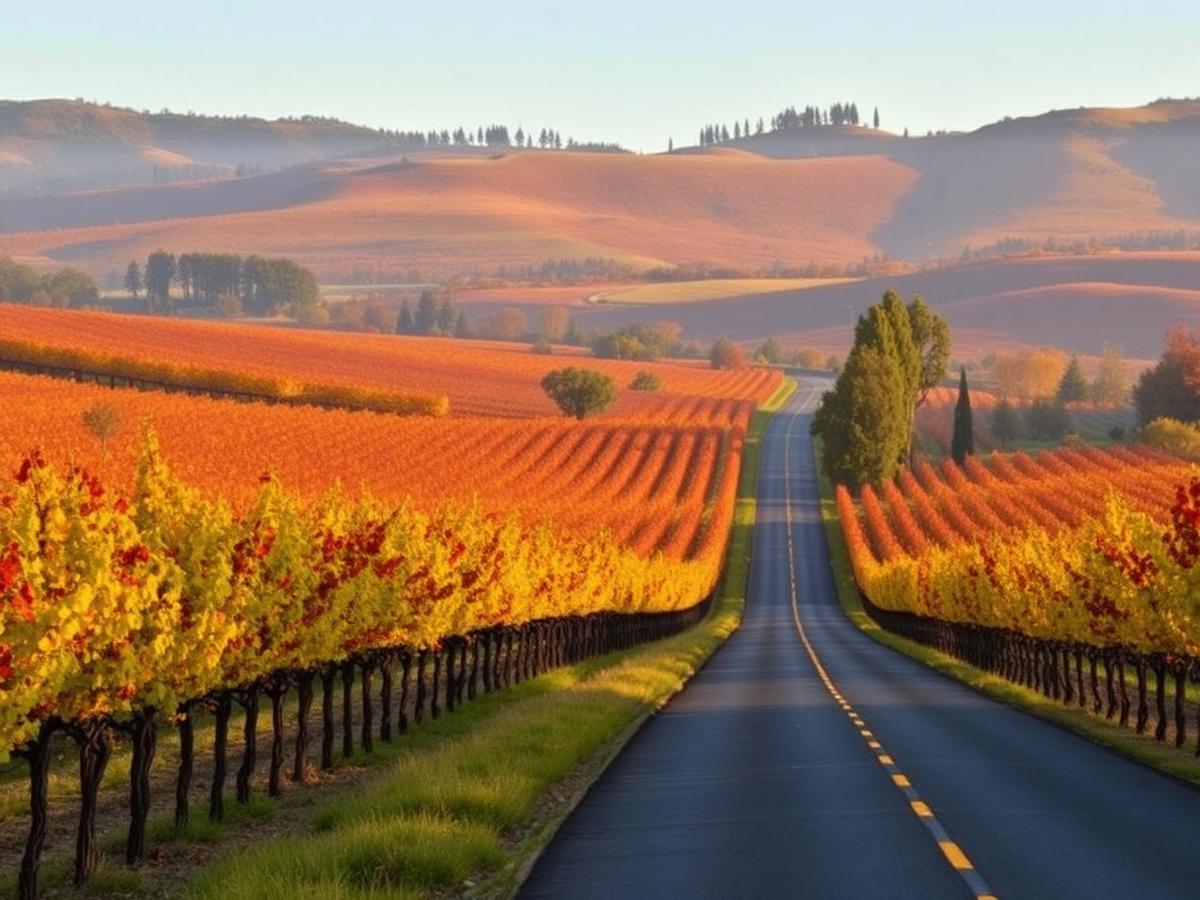
Build in a balloon morning. Clear fall mornings are nearly perfect for hot-air balloon flights, and watching the harvested rows glow at sunrise is the single best photo opportunity of the trip.
Featured Experience
Napa Valley Hot Air Balloon Adventure with Champagne Brunch
Frequently Asked Questions
When is harvest season in Napa Valley?
Harvest in Napa Valley — known locally as 'the crush' — typically runs from mid-August through late October. Sparkling wine grapes and white varieties like Sauvignon Blanc come in first, followed by Chardonnay, Pinot Noir, Merlot, and finally Cabernet Sauvignon, which usually finishes in early to mid-October.
Is fall the best time to visit Napa Valley?
For most visitors, yes. Late September and October offer warm days, cool nights, golden vineyards, and the unmistakable energy of an active harvest. The trade-off is peak pricing and crowds — book lodging, tastings, and flagship dinners 8–12 weeks ahead.
Can you watch grapes being harvested in Napa?
Yes. Many wineries offer 'crush' or working-harvest tastings during September and October where guests see fruit arriving on sorting tables, hand-punch-downs in open fermenters, and sometimes barrel sampling from the prior vintage. Frog's Leap, Cakebread, Rutherford Hill, and Hall all run excellent harvest-season experiences.
What should I wear to Napa Valley in the fall?
Layers. Mornings start in the low 50s with light fog, afternoons climb to the upper 70s or low 80s, and evenings drop quickly after sunset. Pack a light jacket, closed-toe shoes for vineyard walks, and a wrap for outdoor dinners.
Plan the Rest of Your Fall Trip
Plan Your Stay
Where to Stay During Harvest
Compare every option before you book — boutique inns and resorts in the lodging directory, or familiar brands like Marriott, Hilton and Hyatt in the hotels guide.
Related Guides
Continue Exploring Napa Valley
Dive deeper into planning with these curated guides.
How to do a Napa Valley day trip from San Francisco
Driving times, ferry + train options, and guided day tours from $189
How to visit Napa Valley on a budget
Tasting fees under $30, cheap hotels, and free winery visits
Napa Valley events and wine festivals by month
Harvest events, seasonal festivals, and annual celebrations
Napa Valley travel tips for first-time visitors
When to go, how many wineries per day, and getting around
Napa Valley first-timer's guide
What to expect, which town to base in, and common mistakes to avoid
Plan a Napa Valley trip: flights, cars and hotels
Step-by-step trip builder with airport, rental car and lodging picks