Trip Planner
The Best Time to Visit Napa Valley
A month-by-month look at weather, harvest, crowds, and prices — so you can pick the trip that matches the experience you actually want.
Disclosure: This page contains affiliate links. Napa.now may earn a commission when you book through our partners — at no extra cost to you. We only recommend experiences we believe in. Learn more.
There is no single "best" time to visit Napa Valley — only the best time for the trip you want to take. A first-timer chasing harvest energy will pick a different week than a couple looking for a quiet, rain-misted weekend in front of a fireplace at a Calistoga inn. After more than a decade of writing about wine country, the question we get most often is simply: "When should we come?" This guide is the answer we wish we could hand every reader.
Below, we break the year into the four seasons that actually shape a Napa trip — harvest, winter, spring bloom, and high summer — followed by a month-by-month cheat sheet, the events worth planning around (and the few worth planning away from), and our honest take on the trade-offs between crowds, weather, and price.
Best Overall
Late September – October
Harvest in full swing, warm days, cool nights, golden vines.
Best Value
January – February
Lowest hotel rates, easy reservations, mustard bloom on the way.
Best Weather
May & Early June
Long days, wildflowers, low rain risk, manageable crowds.
Best for Families
Late June – July
School out, balloon flights nearly daily, outdoor everything.
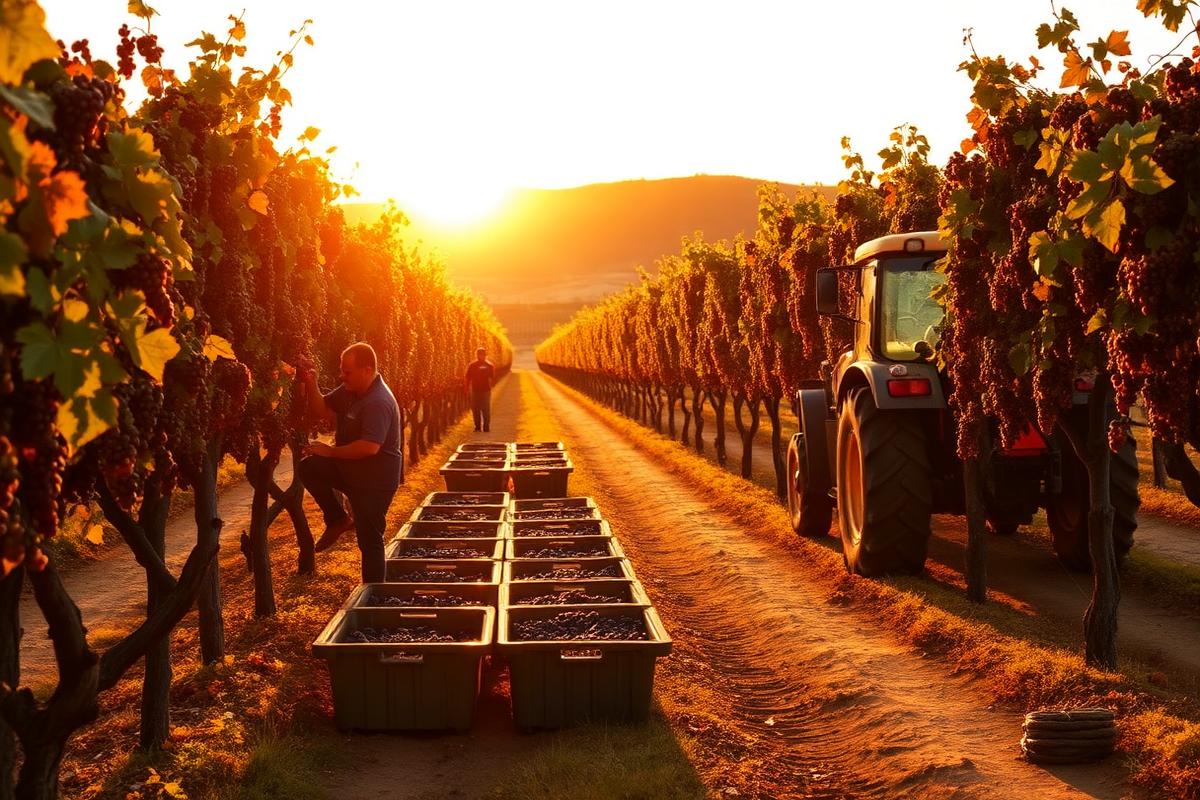
Harvest (Late August – October)
Locals call it "the crush," and for roughly eight weeks the entire valley shifts into a single shared rhythm: tractors on Highway 29 before sunrise, the sweet ferment of grape skins drifting out of cellars, winemakers running on espresso and adrenaline. If you want to feel why Napa is Napa, this is the window. White varieties (Sauvignon Blanc, Chardonnay) come in first in late August; Cabernet Sauvignon — the grape that built the modern valley — usually finishes in early to mid-October. Our harvest season guide has the week-by-week detail.
The trade-offs are real. Hotel rates are at their annual peak, dinner reservations at flagship rooms like The French Laundry, Press, and Kenzo book three months ahead, and weekend traffic along the Silverado Trail can crawl. Our advice: travel midweek, base yourself up-valley in St. Helena or Calistoga to avoid the morning Napa commute, and book at least one "working" tasting where you can see fruit being sorted and crushed.
Featured Experience
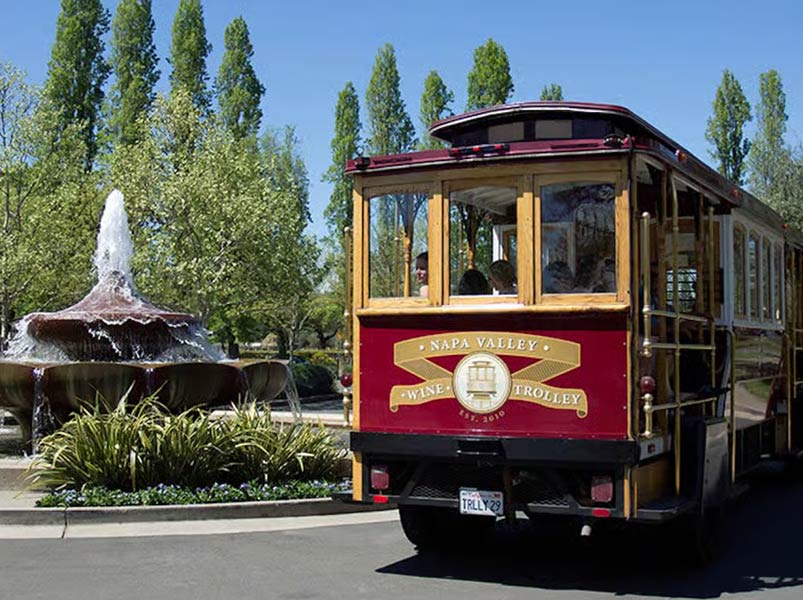
Napa Valley Hop-On Hop-Off Open-Air Wine Trolley
Winter (November – February)
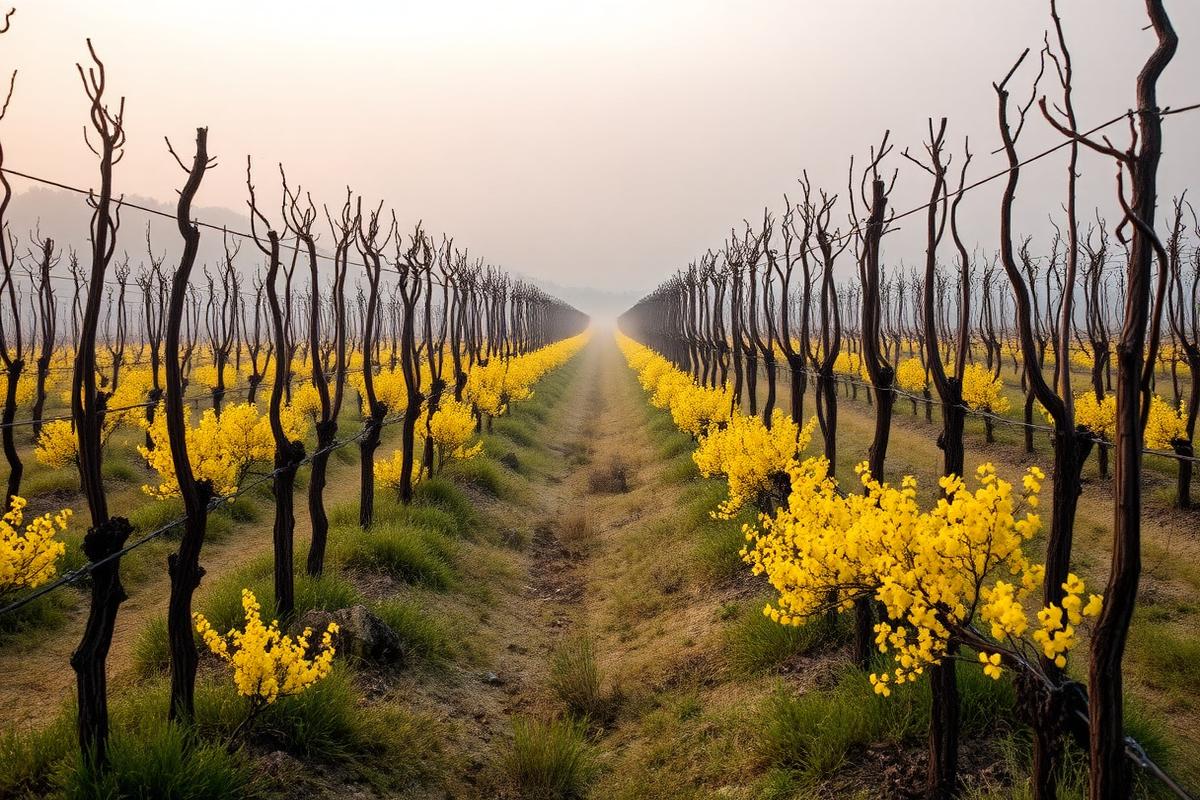
Winter is Napa's best-kept secret. After the holidays, hotel rates fall 30–50% and many of the valley's most coveted producers open their schedules for what the trade calls "Cabernet Season" — extended library tastings, vertical flights, and time with winemakers that simply does not exist in October. Daytime temperatures sit in the high 50s to mid 60s; nights drop into the 40s. Yes, it can rain, but a Napa rain day spent at a fireside tasting at Frog's Leap, an oyster lunch at Press, and an evening soak at Calistoga's geothermal springs is its own kind of magic. The wet months are also the only time the county's waterfalls actually run — see our Napa Valley hiking and waterfall guide for Linda Falls and the seasonal creek trails. (See our Napa on a budget guide for off-season pricing.)
Late January through March brings the mustard bloom, when cover-crop wild mustard between the dormant vines turns the valley floor electric yellow. It is one of the most photogenic moments of the entire year, and it happens before the spring tourist wave arrives.
Spring (March – Early June)
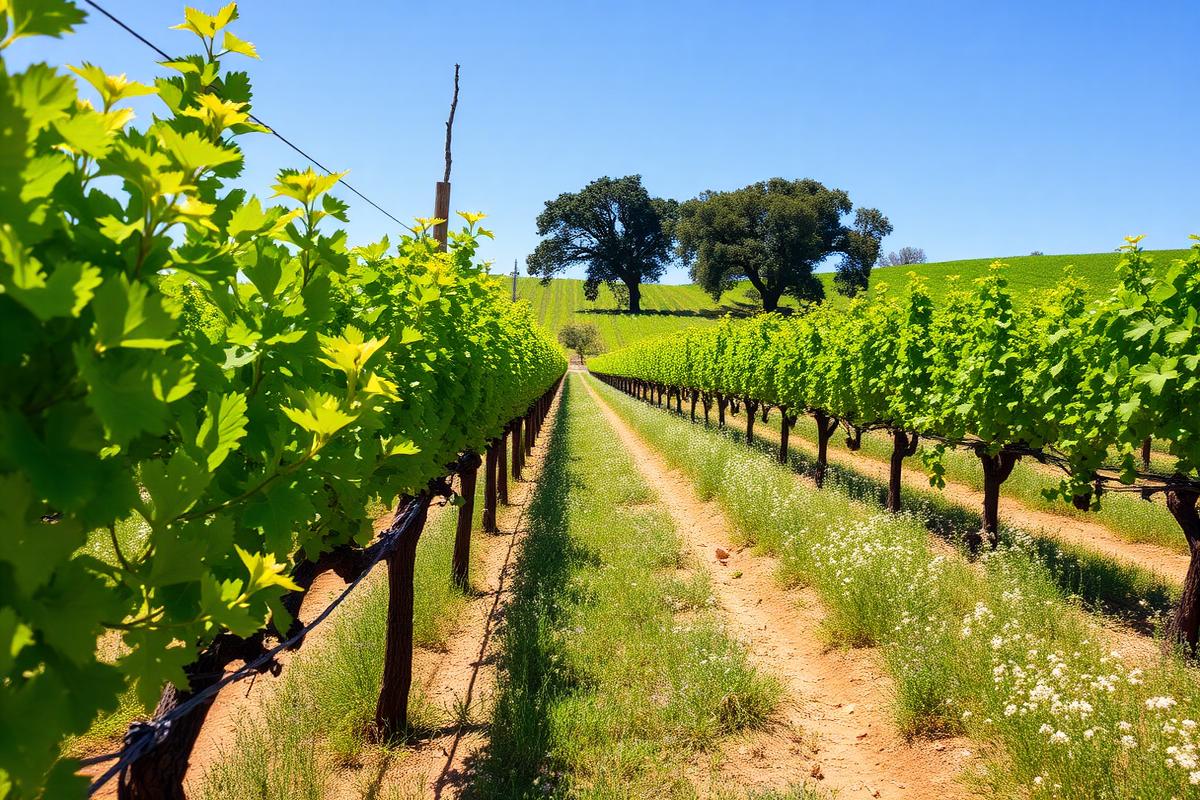
By March, bud break has started and the vines push their first bright-green shoots. By May, the canopy is full, daytime temperatures are reliably in the 70s and low 80s, and the threat of rain is mostly behind you. We think late April through the first week of June is the most underrated travel window of the entire year — the weather is essentially perfect, the wineries are not yet in harvest-prep frenzy, and hotel rates remain noticeably below the autumn peak.
The one date to plan around is BottleRock, the music festival held over Memorial Day weekend in downtown Napa. It is a wonderful event if you want to go to it, but if you do not, rooms inside city limits will be both scarce and expensive, and traffic on the south end of the valley becomes its own attraction. Staying in Yountville or St. Helena that weekend is a smart workaround.
Featured Experience
Napa Valley Hot Air Balloon Adventure with Champagne Brunch
High Summer (Late June – August)
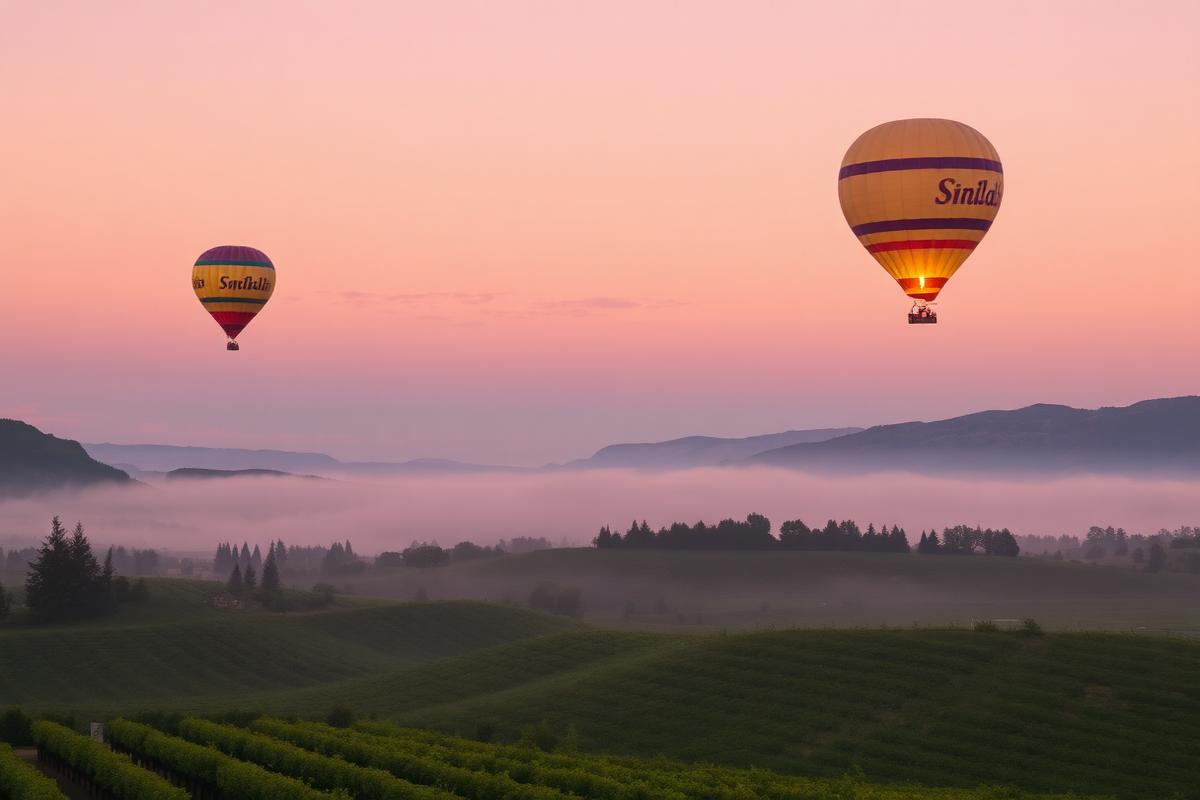
Summer in Napa is hot, sunny, and reliably dry. Inland up-valley towns like Calistoga and St. Helena can climb past 95°F on the warmest afternoons, while Carneros — pulled by the cool fog off San Pablo Bay — typically stays 10–15 degrees cooler. Plan your hottest hours around shaded patios, cave tastings (Del Dotto and Jarvis are stand-outs), or a swim at your hotel. Sunrise is the secret weapon: balloon flights launch nearly every clear morning between mid-June and early September, and they sell out fastest in July and August.
Summer is also our pick for families. Long days, predictable weather, school holidays, and plenty of non-wine options — kayaking the Napa River, the Petrified Forest, the Old Faithful Geyser of California, and a swim-friendly resort pool — make a multi-generation trip much easier than people assume. (Read our companion guide on visiting Napa Valley with kids for the full plan.)
The one caveat is wildfire and smoke risk, which has become a real factor in August and early September over the last decade. We recommend keeping your itinerary flexible during those weeks and checking AirNow before you fly out.
Book the Season
Seasonal Experiences Worth Planning Around
Two ways to see the valley that change completely with the calendar: sunrise balloon flights run nearly every clear morning from mid-June through harvest, drifting over golden rows in fall and green canopy in spring — while the open-air trolley is our pick for anyone who wants winery-hopping without driving, any month of the year.
 Top Rated
Napa Valley Hot Air Balloon Adventure with Brunch
Sunrise flights often sell out 2+ weeks ahead
$289
 Flexible
Napa Valley Hop-On Hop-Off Open-Air Wine Trolley
$129
Book Your Dates
Where to Stay Once You Pick Your Dates
Rates move more than the weather does in Napa. Harvest weekends (September–October) run 30–50% above the January–February floor, so the single biggest lever on your trip budget is when you book. Compare current hotel rates for the familiar brands, or start with these three picks that work in almost any season.
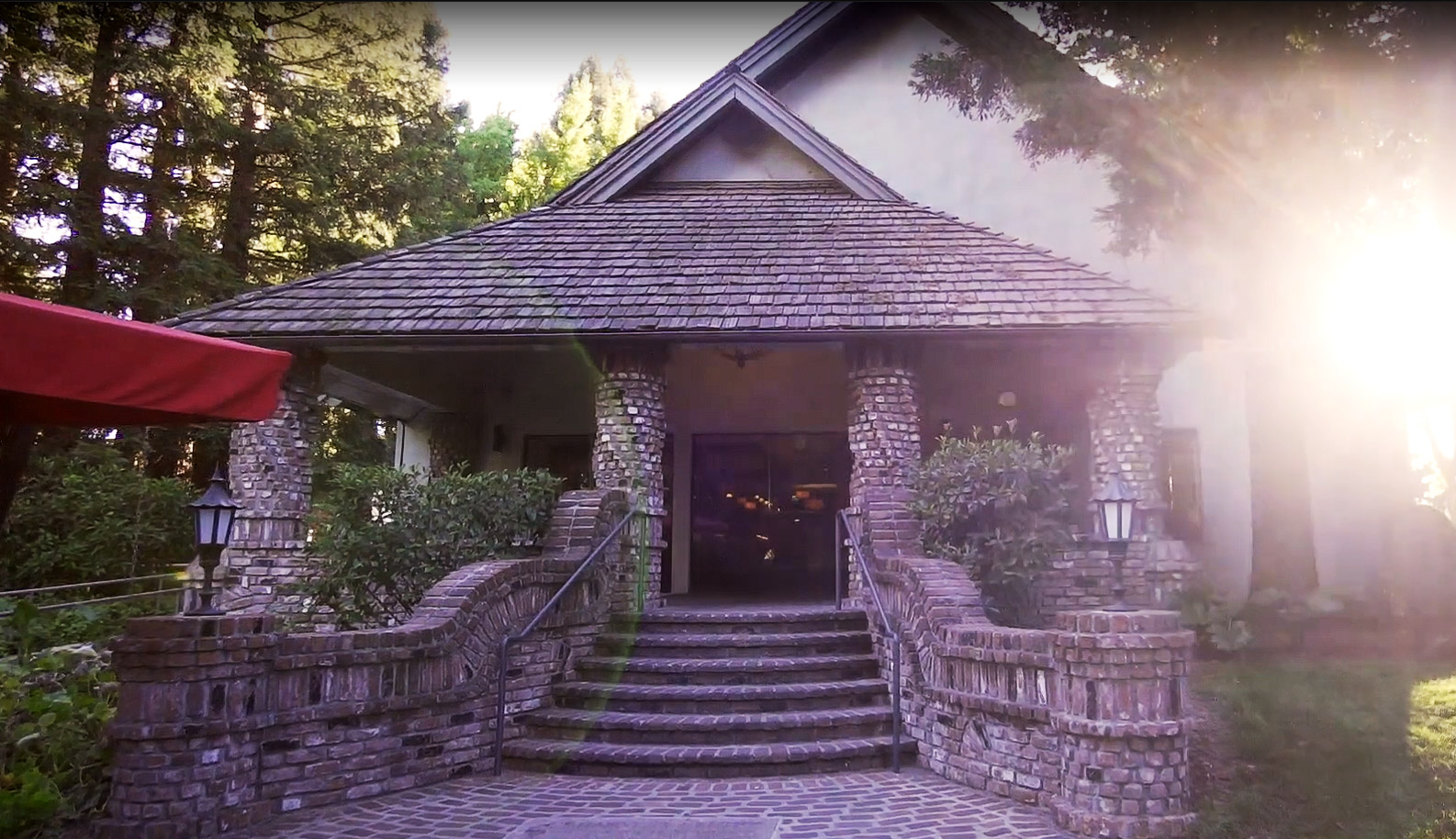 St. Helena
Harvest Inn by Charlie Palmer
Set among 8 acres of gardens and vineyards, this English Tudor-style inn features two pools, fireplaces, and vineyard-view balconies.
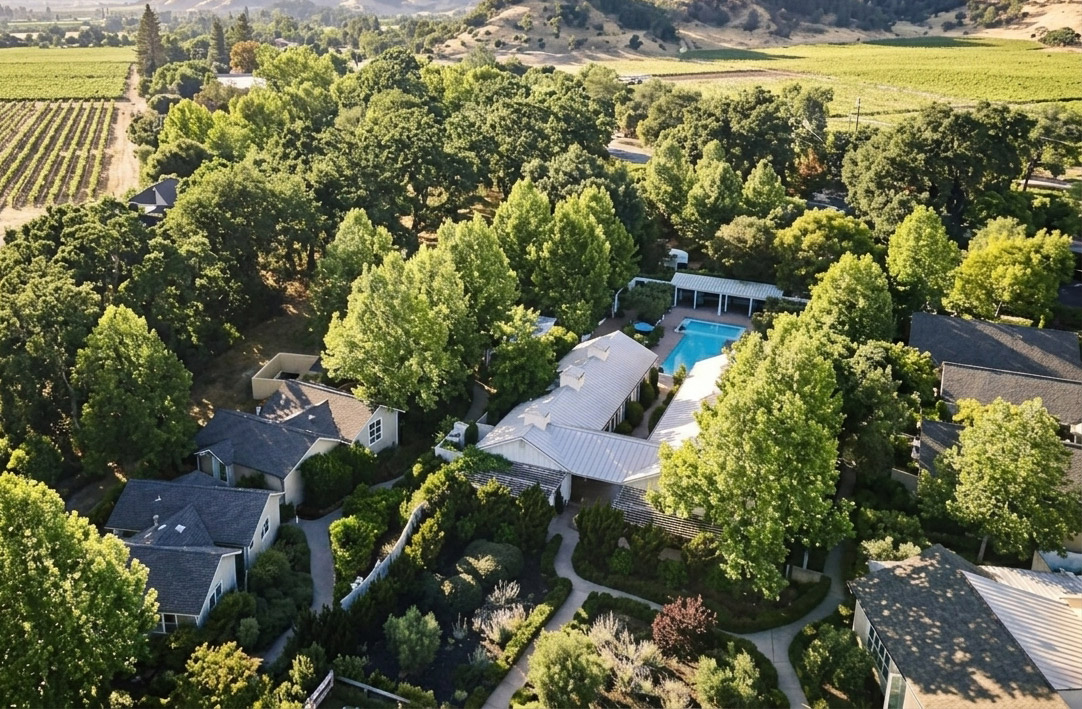 WellnessCalistoga
Solage, Auberge Resorts
A modern wellness retreat with the signature Mudslide treatment, Solbar restaurant, and studio-style rooms with private patios.
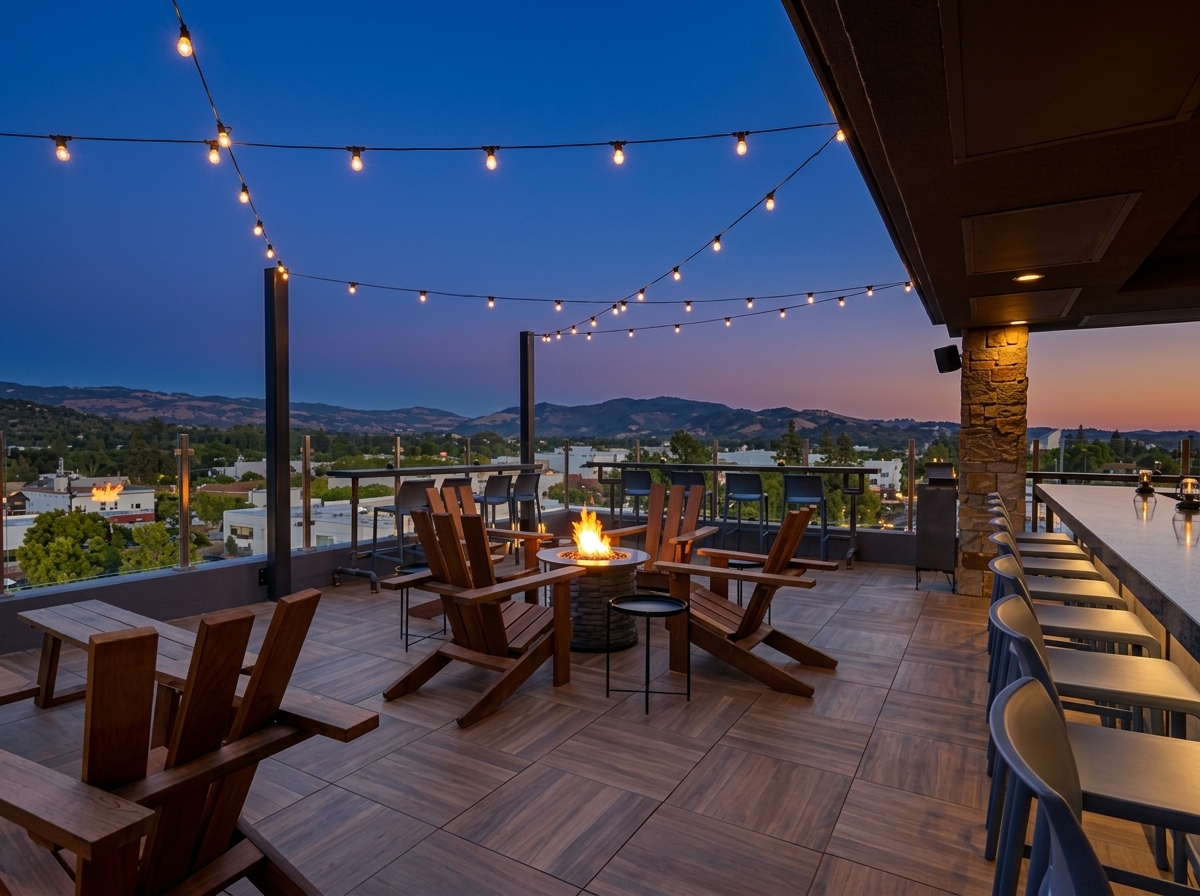 Rooftop BarNapa Downtown
Archer Hotel Napa
Stylish downtown hotel with a rooftop bar offering panoramic valley views, Charlie Palmer Steak, and luxe rooms with soaking tubs.
Plan Your Stay
Compare Every Place to Stay
Boutique inns, hot-springs resorts and vineyard estates in the lodging directory — or Marriott, Hilton and Hyatt rates in the hotels guide.
Month-by-Month Cheat Sheet
January
Lowest rates of the year. Cool & sometimes rainy. Quiet, intimate tastings. Early mustard bloom by month's end.
February
Mustard bloom in full color. Excellent value. Cabernet Season tastings widely available.
March
Bud break. Cool mornings, mild afternoons. Pack layers; some rain still possible.
April
Vines greening up. Weather turning reliable. Crowds still moderate.
May
Our top pick for first-time visitors. Wildflowers, warm days, BottleRock on Memorial Day weekend.
June
Long days, dependable sun, balloon flights nearly daily. Crowds build by month's end.
July
Hot inland, foggy in Carneros. Great family month. Reserve dinners 4–6 weeks ahead.
August
Peak summer heat. Smoke risk begins. Excellent for cave tastings and resort pools.
September
Harvest begins. Energy peaks. Rates climb. Midweek travel strongly recommended.
October
The marquee month. Golden vines, warm days, every winery in motion. Book everything early.
November
Harvest winds down. Rates drop after Thanksgiving. Beautiful fall color.
December
Festive lighting in Yountville and St. Helena. Quiet, cozy, and a real value before New Year's week.
Napa Valley Weather at a Glance
Napa has a classic Mediterranean climate — wet, mild winters and warm, dry summers. The numbers below are typical highs and lows for downtown Napa; up-valley Calistoga runs slightly warmer in summer, and Carneros runs noticeably cooler year-round thanks to bay fog.
Winter
58° / 41°
5–7 rainy days/mo
Spring
72° / 47°
2–4 rainy days/mo
Summer
86° / 53°
<1 rainy day/mo
Fall
78° / 49°
1–3 rainy days/mo
Frequently Asked Questions
What is the best month to visit Napa Valley?
September and October during harvest (the 'crush') are widely considered the best months. The vineyards are golden, the weather is warm, and the energy across the valley is unmatched. May and early June are a close second — wildflowers, longer days, and fewer crowds than peak harvest.
What is the cheapest month to visit Napa Valley?
January and February are the cheapest. Hotel rates drop 30–50% versus harvest season, tasting appointments are easier to book, and many wineries run 'Cabernet Season' promotions with library tastings included.
Is it worth visiting Napa Valley in winter?
Yes — winter is one of the most underrated times to visit. Wineries are quiet enough for personal time with winemakers, rates are lower, and the mustard bloom (late January through March) carpets the valley floor in bright yellow. Pack layers and a rain jacket.
When should I avoid visiting Napa Valley?
Avoid Labor Day weekend, the weekend of BottleRock (late May), and the few weeks of peak harvest (mid-September to mid-October) if you dislike crowds and premium pricing. Late summer (August) can also bring smoke risk from regional wildfires.
What is the rainiest month in Napa Valley?
January and February are the wettest months, averaging roughly 4–6 inches of rain each. Rain usually arrives in short bursts rather than all-day drizzle, so tasting appointments are rarely disrupted — but pack a jacket and expect cool 55–60°F afternoons.
How hot does Napa Valley get in summer?
July and August afternoons regularly hit 88–95°F on the valley floor, with Calistoga running several degrees hotter than the city of Napa. Mornings start in the low 50s, so book outdoor tastings, balloon flights, or bike tours before 11 a.m. and save cave tours for the afternoon.
When is harvest season in Napa Valley?
Harvest (the 'crush') typically runs from mid-August for sparkling grapes through late October for Cabernet Sauvignon, peaking in September. Book lodging and tastings 2–3 months ahead for this window — it is the busiest and most expensive time of year.
Plan the Rest of Your Trip
Related Guides
Continue Exploring Napa Valley
Dive deeper into planning with these curated guides.
How to do a Napa Valley day trip from San Francisco
Driving times, ferry + train options, and guided day tours from $189
How to visit Napa Valley on a budget
Tasting fees under $30, cheap hotels, and free winery visits
Napa Valley events and wine festivals by month
Harvest events, seasonal festivals, and annual celebrations
Napa Valley travel tips for first-time visitors
When to go, how many wineries per day, and getting around
Napa Valley first-timer's guide
What to expect, which town to base in, and common mistakes to avoid
Plan a Napa Valley trip: flights, cars and hotels
Step-by-step trip builder with airport, rental car and lodging picks